The war in the Persian Gulf is hampering humanitarian aid operations in Sudan, compounding what is already the world’s worst humanitarian crisis. As a result of soaring shipping and freight costs, some aid deliveries now cost double what they did before the war, according to the UN Refugee Agency — and costs could rise further amid signs of re-escalation in the Middle East.
The Strait of Hormuz, a vital shipping corridor, has remained closed since the U.S. and Israel launched a surprise attack in February that killed Ayatollah Khamenei and other Iranian leaders, triggering a regional war. That has cut off exports of crude oil, fuel, and fertilizers, as well as shipments of relief supplies from Gulf ports, which were logistics hubs for UN agencies and NGOs.
Prices of commodities and services relied upon by aid agencies are rising sharply, including diesel, jet fuel, maritime insurance, and food. These spiking costs are devouring the aid groups’ limited budgets in the face of worsening economic conditions and war-related mass displacement in Sudan.
The UN Office for the Coordination of Humanitarian Affairs (OCHA) says that fuel prices increased up to 40 percent in Sudan, driving “system‑wide cost escalation… just as humanitarian needs continue to surge.” Tapiwa Gomo, OCHA’s Head of Communication in East Africa, explained:
“Fuel underpins every aspect of humanitarian work, powering food deliveries, hospital generators, vaccine cold chains, and aircraft that connect communities cut off by conflict or floods. As prices rise, humanitarian organizations are reducing field movements, grounding vehicles, delaying distributions, and scaling back operations. These are not minor adjustments but fundamental constraints on access. When transport stops, assistance stops — and the most vulnerable are left behind.”
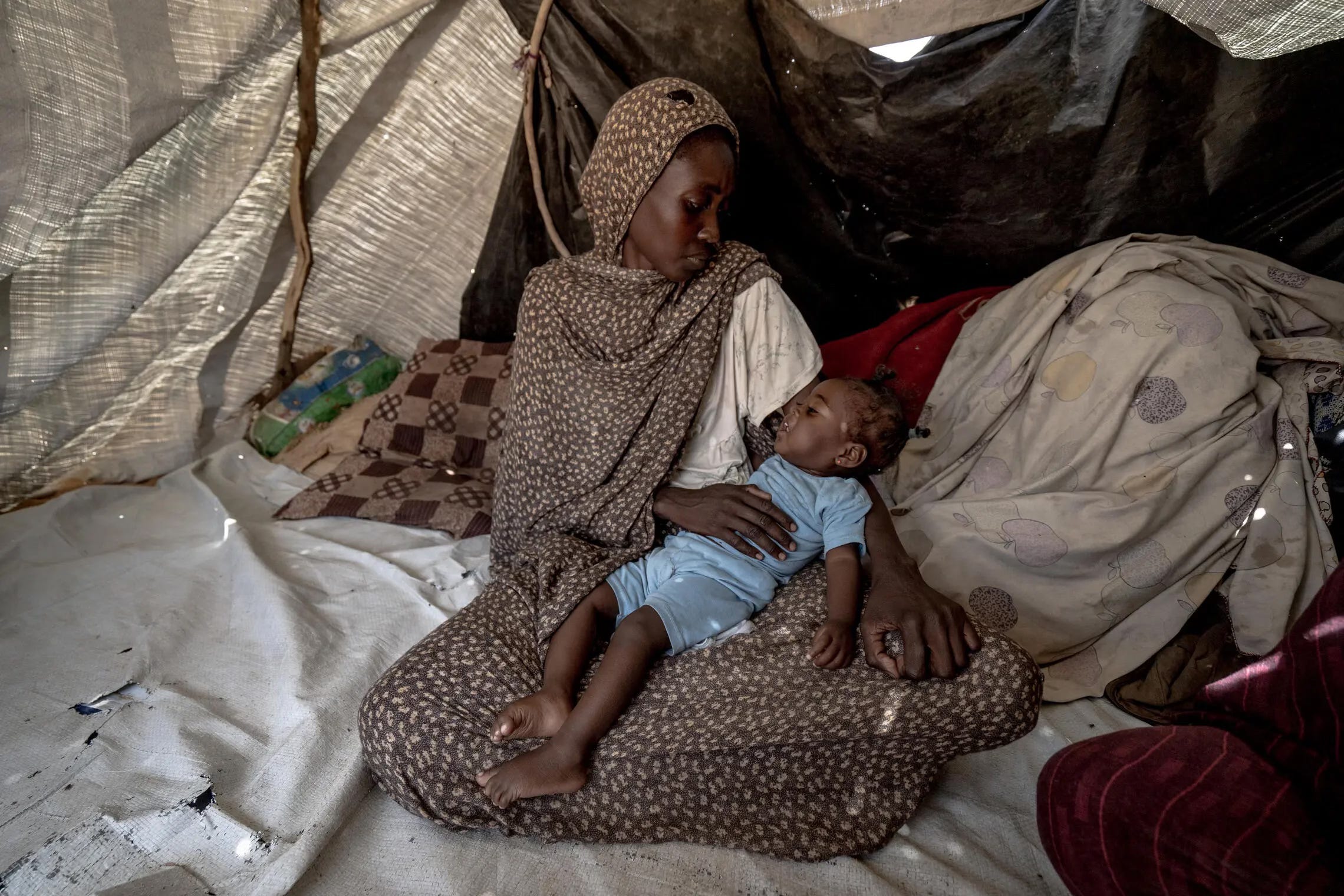
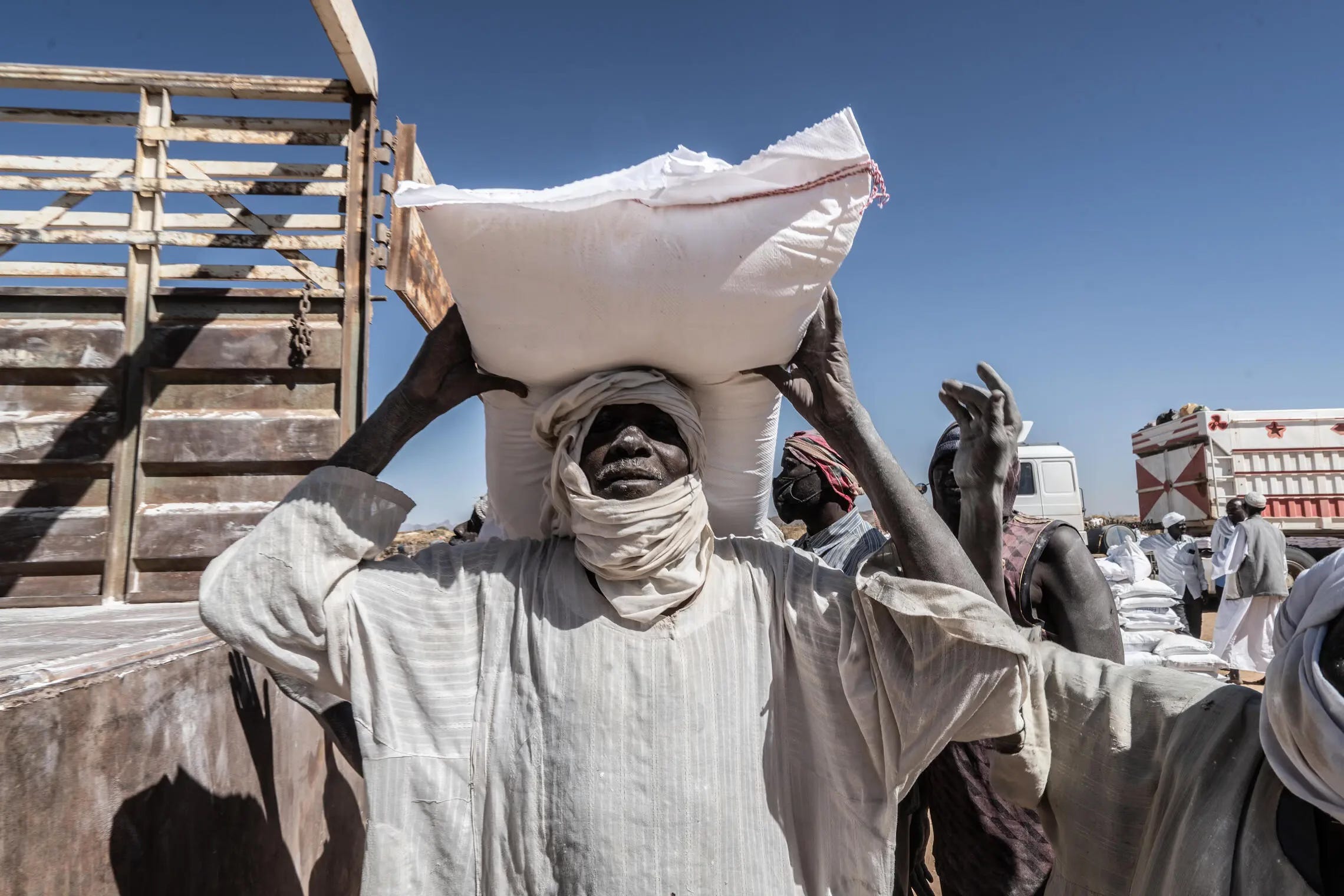
More than 13 million people are displaced as a result of violence in Sudan, including 9 million inside Sudan and 4.5 million refugees in neighboring countries. Many of these populations live in remote, landlocked Chad and Darfur, where it is difficult and costly for aid agencies to deliver relief supplies. It typically takes several weeks for World Food Programme trucks carrying wheat, grain, cooking oil, and lentils to travel from logistics hubs Cameroon and Chad to reach remote locations in Darfur and Eastern Chad.
Higher global fuel costs thus affect these vulnerable populations disproportionately. UNHCR spokesperson Carlotta Wolf warned at a press briefing May 1 that the agency soon may be forced to cut services:
“If instability in the Middle East persists, rising costs, delays and limited transport capacity are likely to constrain humanitarian operations further. While UNHCR continues to adapt through rerouting, stock redeployment and donor‑supported logistics, prolonged disruption risks reducing the scale and speed at which assistance can reach people in need, with serious consequences for millions of refugees and displaced people worldwide.”
Wolf cited a number of specific logistical challenges driving the trend, including congestion at major ports such as Jeddah and Mersin, rising freight rates from key sourcing countries, higher war-risk insurance premiums, a bottleneck at UNCHR’s stockpiles in Dubai, and higher inland transport costs from other stockpile locations, such as Nairobi and Douala.
Economic Vulnerability
The Strait of Hormuz isn’t the only waterway at risk. Shipping via the Gulf of Aden and the Bab-el-Mandeb has also become riskier and harder to insure. If the Iran-allied Houthi movement in Yemen decides to attack shipping along this corridor, Port Sudan would be accessible only via the Suez Canal. Additionally, Somali pirates have recently hijacked multiple ships in the Gulf of Aden, further spiking shipping insurance and the cost of global crude.
UNHCR says that some aid shipments have already been rerouted all the way around the Cape of Good Hope, which adds up to 25 days to delivery times, and adds significantly to cost. Critical air routes are also disrupted, due to airport and airspace closures in the Gulf and higher jet fuel prices.
If freight, fuel, and shipping prices rise further, it could break the aid pipeline and prevent critical supplies from reaching malnourished Sudanese. “Famine conditions have been confirmed in multiple locations, and children are facing life‑threatening malnutrition, particularly in areas cut off from aid,” said Tapiwa Gomo, the OCHA official. “The risk is no longer limited to delays, but now includes pipeline breaks and stock‑outs, leaving food, medicines, and other essential supplies stranded and reducing the amount of life‑saving assistance that reaches children when they need it most.”


Approximately a quarter of the world’s maritime oil trade had passed through the Strait of Hormuz before the war. Although Sudan is an exporter of crude oil, it relies on imported diesel, petrol, and fertilizer — a dependence that has increased over the past three years as civil war devastated Sudan’s economy.
Neighboring South Sudan is also facing a major economic shock. Since March 2026, fuel prices have doubled, and electricity rationing in the capital Juba is disrupting health services, vaccine cold chains, and humanitarian hubs. Aid agencies report truck shortages along certain corridors, cost overruns in humanitarian air operations, shortages in markets, and high inflation, amid cholera outbreaks and high levels of food insecurity.
A recent assessment by the IPC food security group concluded that 7.8 million people in South Sudan, or 56% of the population, face acute food insecurity from now until July, with 73,000 in the most severe level.
Attacks on Aid Groups
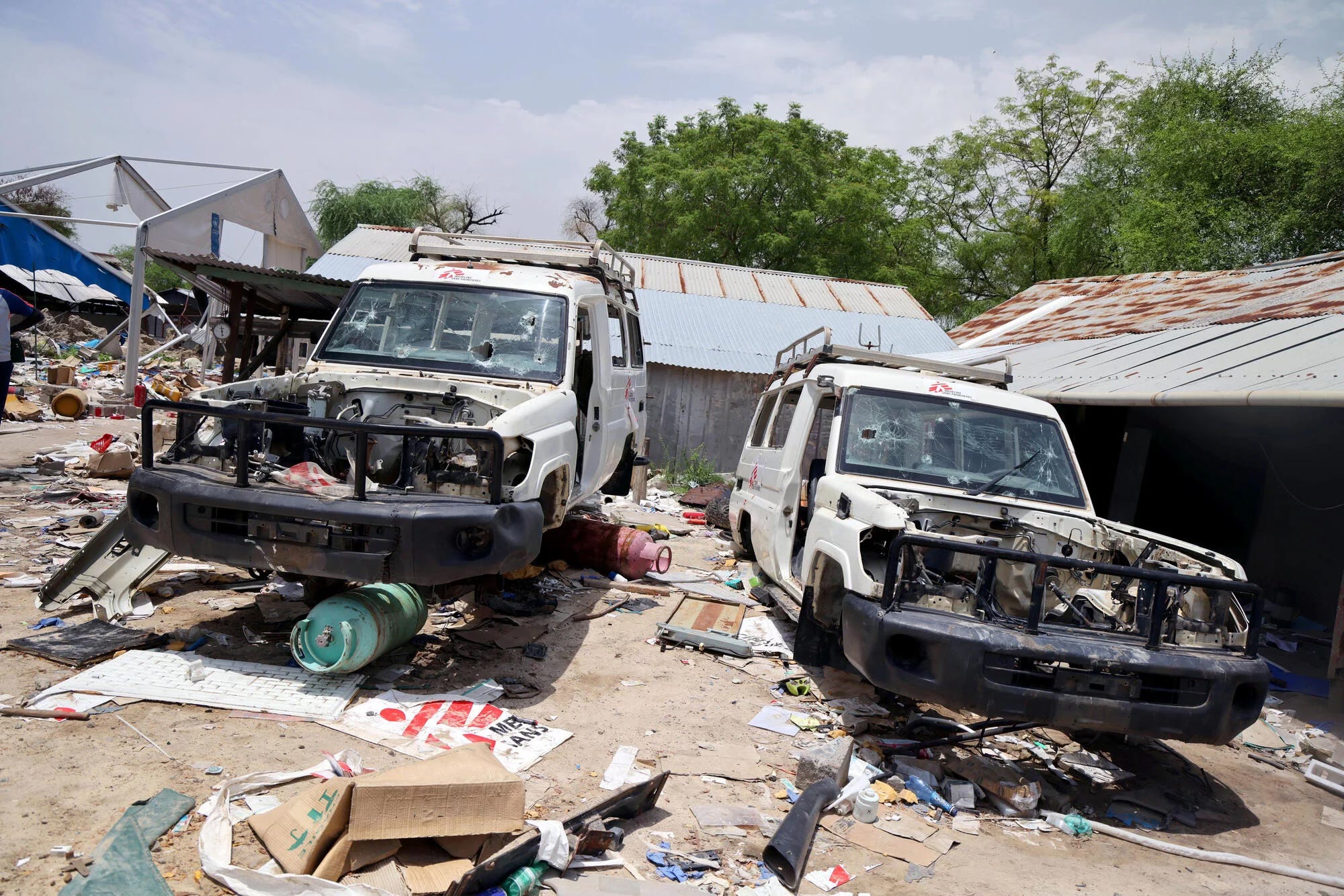
In addition to logistical and budget challenges, humanitarians in Sudan and South Sudan are facing aerial attacks. Doctors Without Borders recently announced that it has decided to permanently close Lankien Hospital in Jonglei State, following an aerial attack February 3. Similarly, the El Daien Teaching Hospital in Darfur closed following an attack March 20.
UNHCR-contracted trucks in North Darfur were attacked by drones on April 24, and humanitarian offices and homes in Nyala were damaged in aerial attacks May 2. WFP trucks have also repeatedly been attacked in remote parts of Darfur and Kordofan, preventing food from reaching starving people.
The Sudan INGO Forum issued a statement Monday expressing “deep alarm” at continued escalation in drone strikes, saying, “In recent weeks, drones have repeatedly struck markets, fuel hubs, residential areas and identified humanitarian movements and facilities.” More than 700 civilians have been killed in drone attacks since the begging of 2026, with more than 130 humanitarian personnel killed since the beginning of the war.
Humanitarian operations could become prohibitively expensive in the face of such attacks and rising costs. The INGO Forum called on the international community “to strongly condemn violations of international humanitarian law, ensure accountability for violations and use all diplomatic and political channels to ensure greater respect for the protection of civilians, infrastructure and humanitarian workers and aid, including local responders.”
Sudan War Monitor is an in-depth resource for tracking the world’s largest humanitarian crisis and the conflict that has caused it. We’ve been able to sustain and grow this initiative thanks to a global network of supporters. You can help by upgrading to a paid subscription, which gives you access to subscriber-only extras, as well as our full archive of reporting and analysis.
News in Brief
Sudan’s military-appointed cabinet, chaired by Prime Minister Kamal Idriss, held an “emergency extraordinary session” Tuesday to discuss “Ethiopian-Emirati aggression.” This follows a press conference in which top Sudanese officials accused Ethiopia of hosting drones used in aerial attacks against targets in Sudan. The meeting also discussed “the file of combatting drugs.” Sudan is a transit country for Captagon and increasingly also is emerging as a production hub and end market.
Qatar, Saudi Arabia, and several other countries condemned drone attacks on the Khartoum Airport that took place Monday. In a statement, the Saudi Foreign Ministry called on the parties to deescalate, to avoid targeting civilian objects, and to abide by the 2023 Jeddah Declaration.
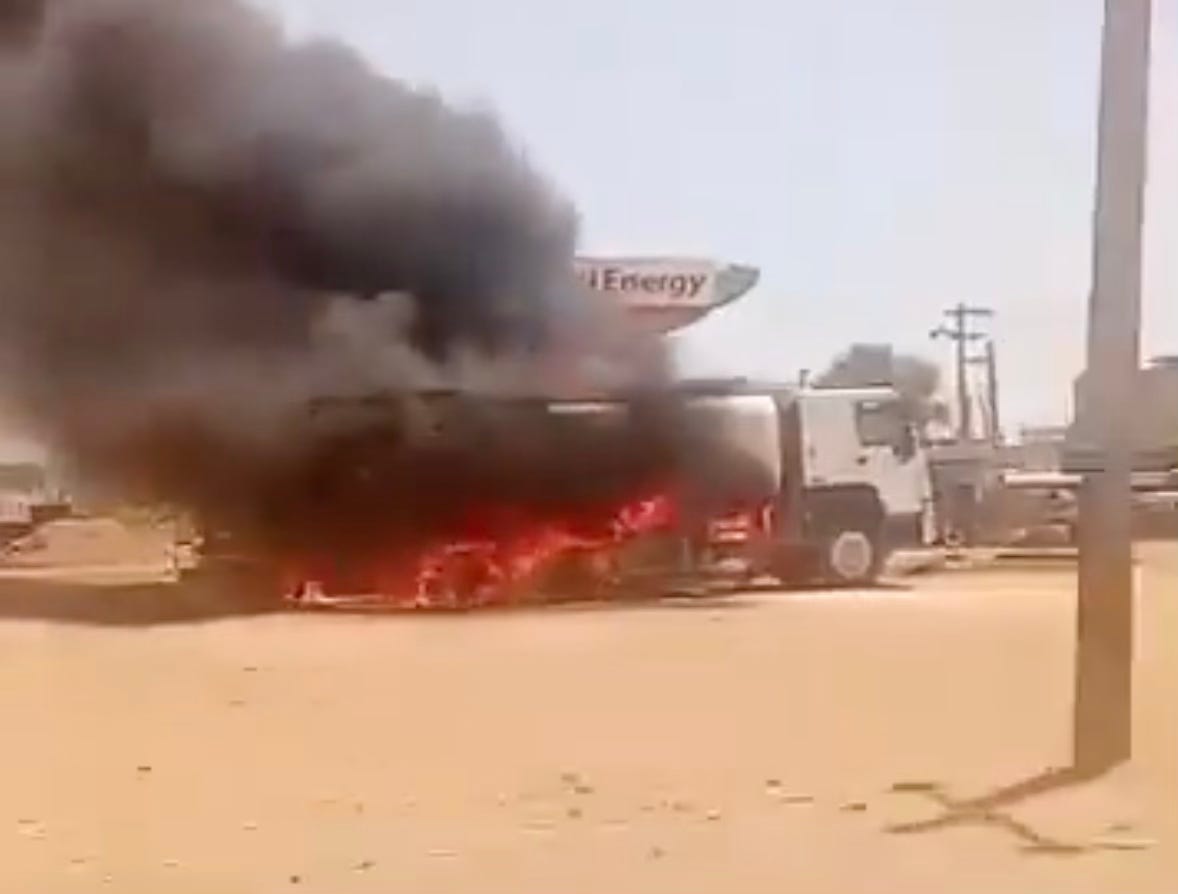
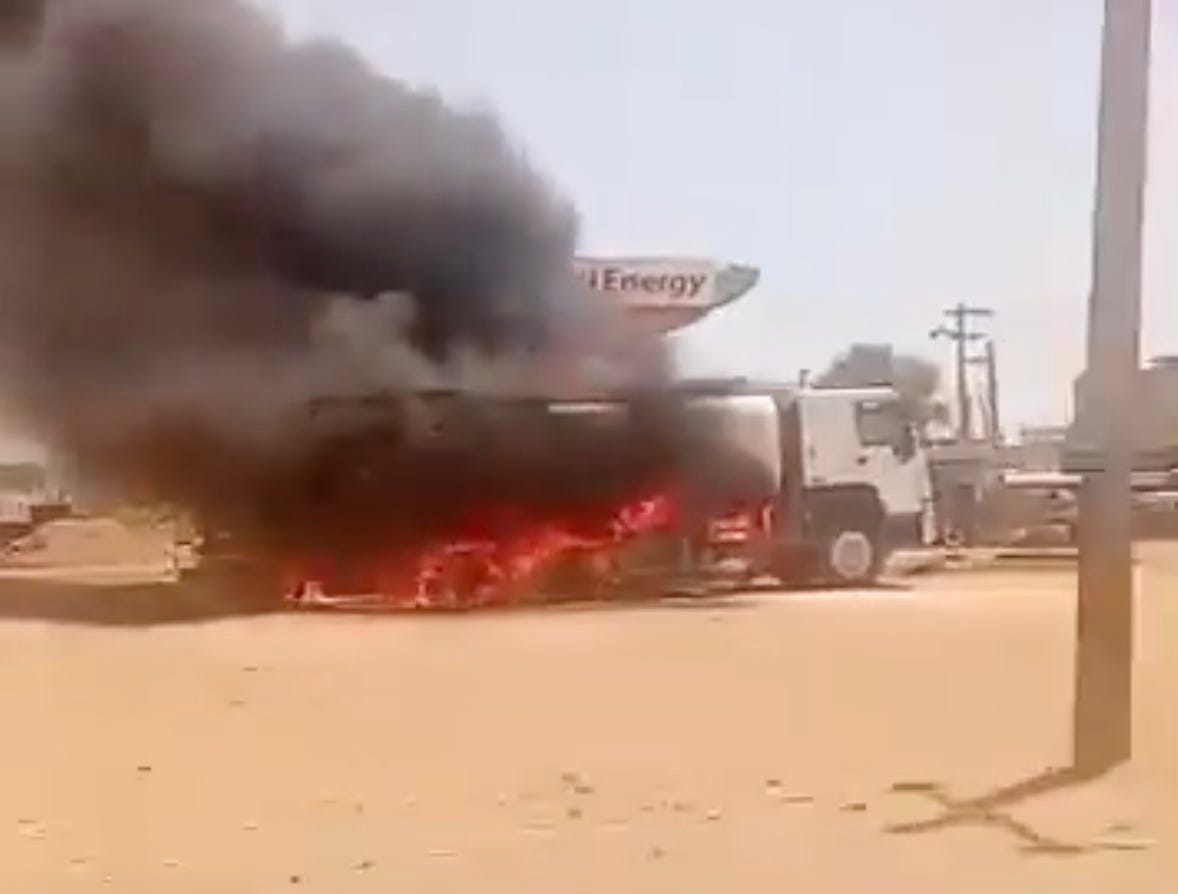
Suspected RSF drones hit a fuel station, a truck, and a tanker in Kosti, killing five people and wounding nine, according to the Sudan Doctors Network. The attack is part of a pattern of renewed RSF drone operations in central Sudan, particularly in Khartoum State and White Nile.
Authorities in Damazin, Blue Nile State, have disappeared a citizen named Mubarak Abdullah Al-Noor, according to human rights monitors. Emergency Lawyers said that there is a persistent pattern in Sudan of arbitrary arrest and enforce disappearance targeting civilians.
Sudanese authorities have given a three-story property in Khartoum’s Kafouri district to RSF defector Maj-Gen. Al-Nour Al-Qubba. High-level defectors and militia allies of the Sudanese military are often handsomely rewarded, though details of their compensation are rarely revealed.
For the first time since the war began, the UN Food and Agriculture Organization conducted a seed campaign inside Kordofan, reaching 137,040 vulnerable households ahead of the 2026 planting season. Supplies were distributed in El Obeid and Abu Jubeiha.