
Sudan War Monitor is an independent publication covering Sudan’s civil war through OSINT, reporting, Arabic-language sources, and political-military analysis. It publishes maps, verified videos, news, and investigative reporting.
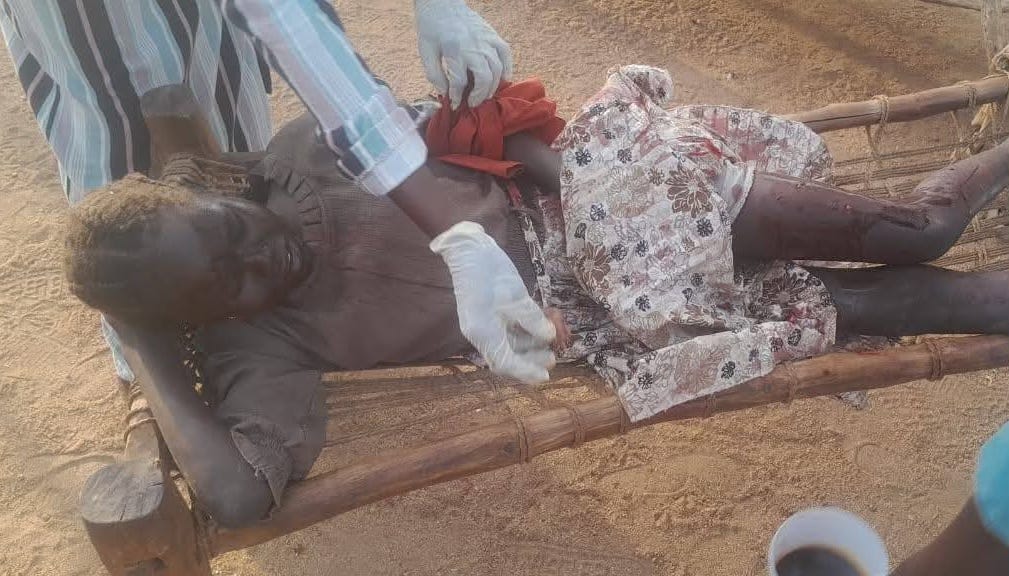
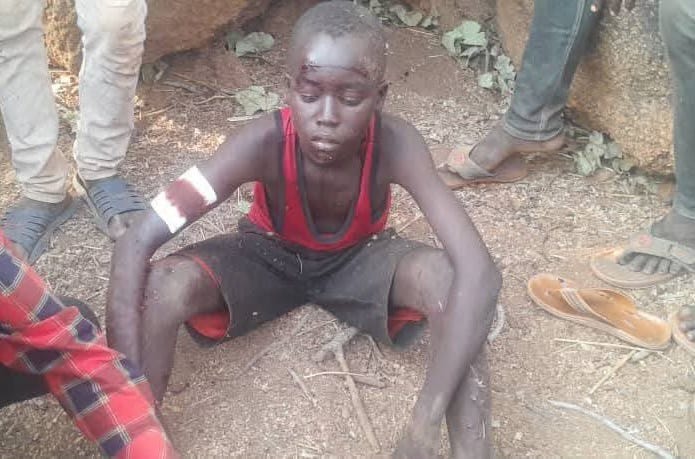
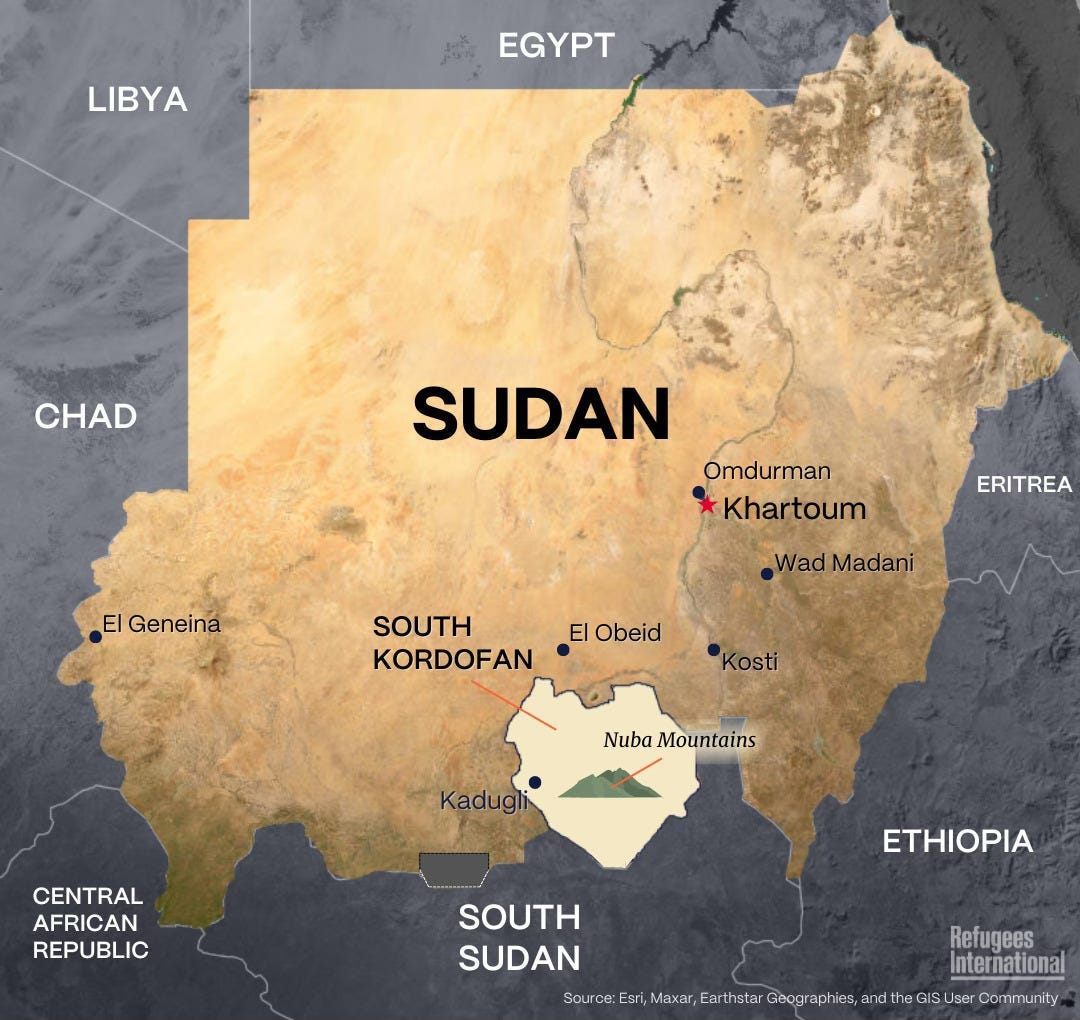
The Sudanese Armed Forces conducted a drone attack on the village of Julud in the Nuba Mountains region of South Kordofan State, where worshippers had gathered for celebrations of Christmas, 25 December 2025. Images from the scene show women, children, and the elderly among the victims.
Although the attack occurred last week on Christmas, it went largely unreported. The remoteness of the Nuba Mountains is partly to blame for this, but so is a broader pattern of media fatigue driven by the relentless pace of violence across Sudan. Even news outlets that consistently cover the conflict lack the personnel, access, and funding needed to verify and report on each reported airstrike and sift fact from disinformation.
The Christmas Day attack in Julud killed 12 people and injured 19 others, according to a statement issued by the armed group that controls the region, the Sudan People’s Liberation Movement, Northern Sector (SPLM-North), which also circulated a list of victim names. Although Sudan War Monitor cannot verify this exact toll, the visual evidence corroborates it in part.
The SPLM-North said that the bombing “was a deliberate terrorist act that targeted innocent civilians who had gathered to celebrate a sacred religious occasion—the Christmas holiday.” (Sudan War Monitor has no affiliation to SPLM-North and does not support any party in the ongoing conflict).
Graphic content warning: Video of dead and wounded victims in Julud, South Kordofan, 25 December 2025. Although this video is not geolocated, the language, clothing, and other cultural items in the video all point to its authenticity. Viewer discretion advised; disturbing content.
Among independent observers, reactions to news of the bombing were mixed. On Facebook, many Sudanese expressed sympathy and grief. The civil society group Darfur Victims Support condemned the attack, saying,
“The organization considers this attack a grave crime that may amount to a war crime, as it deliberately targeted civilians during a peaceful religious occasion without any legitimate military justification, within the broader context of repeated aerial assaults on populated civilian areas. The Darfur Victims Support Organization holds the Sudanese army fully responsible for this attack and its catastrophic human toll. The organization emphasizes that impunity for such crimes encourages their recurrence and undermines any genuine prospects for civilian protection or peace.”
On the other hand, some supporters of the military justified and praised the attack. For example, one wrote on Facebook, “Responsibility falls on the Popular Movement [SPLM-North] — they are the ones who dragged the region into the war.” Others mentioned drone attacks carried out by rebel forces, which they said killed civilians in army areas, justifying the retaliation.


For background, the population of the Nuba Mountains is mixed Christian and Muslim. The late founder of the SPLM rebels in the region, Yusif Kuwa, was a lifelong Muslim, while the group itself is ideologically secular, anti-centralist, and left-leaning.
Pattern of Attacks on Civilians
The Christmas Day attack in Julud is part of a wider air campaign carried out by SAF drones and warplanes against rebel-controlled areas, targeting not just military sites but also markets, hospitals, and homes. The vast majority of victims in those cases have been Muslims, which is the majority religion in Sudan; this attack is distinctive in that it appeared to deliberately target worshippers on one of the Christian holy days.
Open-source researchers at the British organization Centre for Information Resilience last month announced that they have compiled data on nearly 400 airstrikes in Sudan. They said that these incidents killed least 1,719 civilians, while adding, “These figures are conservative... the actual number of strikes and casualty counts are likely much higher.”
Commenting on the report, a British Foreign Office official told the BBC, “This evidence of military airstrikes hitting marketplaces and other civilian areas, shows a clear and unacceptable disregard for the safety of innocent Sudanese civilians. Whatever side of the conflict they are on, the perpetrators of these heinous crimes must be held accountable.”
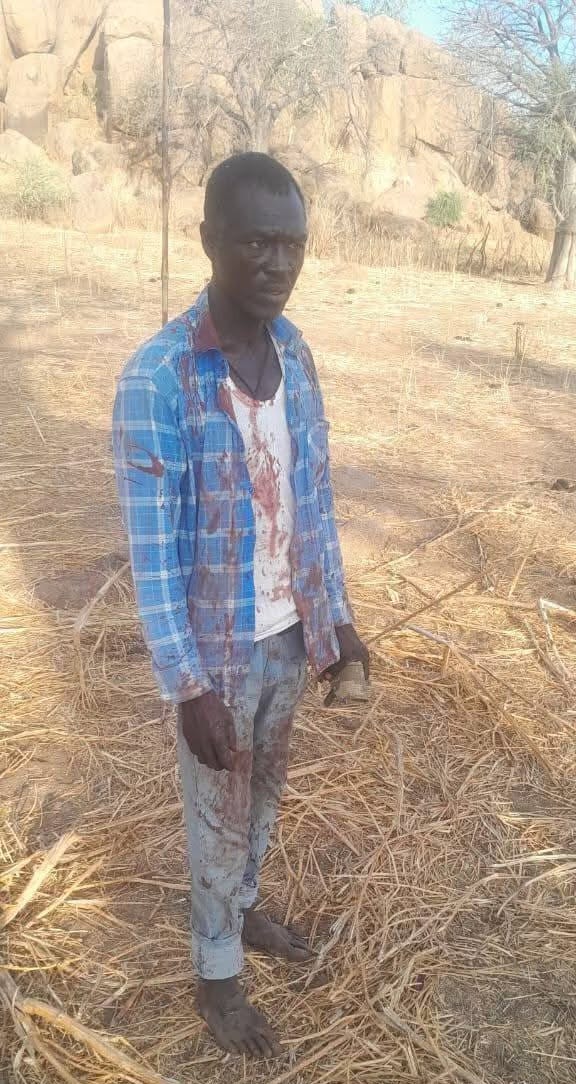
The mountainous region where the Christmas Day attack occurred is approximately 40 km from Dilling, a city controlled by the Sudanese military, where three people were “crucified” in January 2024, allegedly for collaborating with the rebel RSF. (Sudan’s military government, which took power in a coup in 1989, introduced crucifixion to the penal code in 1991).


Such incidents illustrate the brutality of the conflict and the potential for further escalation along sectarian lines. Though crucifixions are rare in Sudan, terror and the targeting of civilians are otherwise routine aspects of the civil war. Both of the main warring parties are confirmed to have committed mass killings, mass extrajudicial detentions (often along ethnic lines), the use of starvation as a weapon of war, and other war crimes.
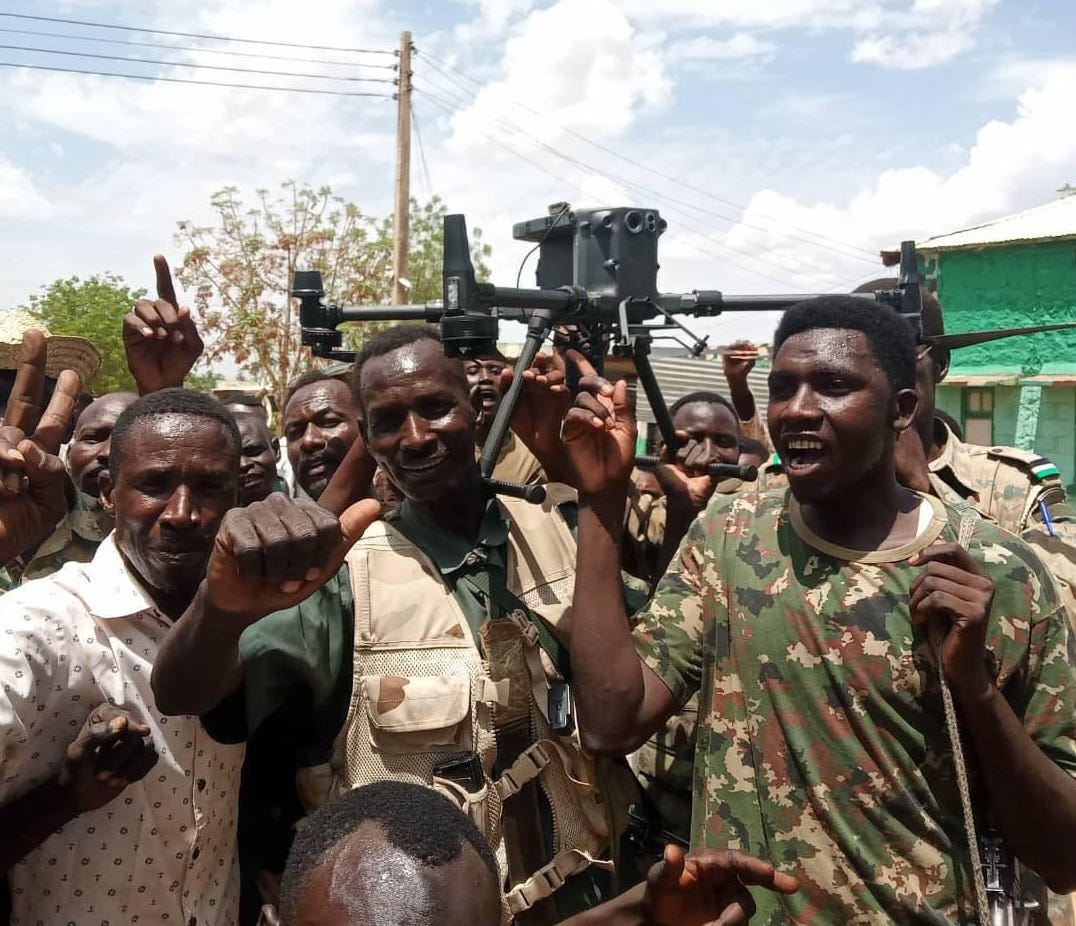
In South Kordofan, both Dilling and the nearby state capital Kadugli remain under army control and have been used as launchpads for drone strikes. Sudan War Monitor has verified recent videos of damage to both military and civilian targets at several locations in the Nuba Mountains.
Old Conflicts, New Alliances
Many of the attacks documented by Centre for Information Resilience took place in Sudan’s westernmost Darfur region, which is the homeland of the Rapid Support Forces (RSF), one of two main warring parties in Sudan. By contrast, this latest bombing took place in the Nuba Mountains, which is the only part of Sudan that has a majority Christian population.
The attack points to a revival of a years-long pattern of aerial attacks in the region, which suffered during the Second Sudanese Civil War (1980s-1990s) and the Fourth Sudanese Civil War (aka the SPLM-North War, 2011-2018). In those years, many churches, schools, markets, and water points in the Nuba Mountains were damaged in attacks carried out by the Sudan Air Force.
Religious and ethnic fault lines became important in those conflicts, though they were not the only driving factors. The term “Nuba” refers to a collection of distinct ethnic groups rather than a single tribe. In Sudanese usage, it generally denotes non-Arab communities, making the Nuba Mountains both an ethnic and religious minority region.
From 2018-2023, the Nuba Mountains enjoyed a period of relative peace, as a result of mass protests in Khartoum that toppled Sudan’s military government. That era turned out to be just the calm before the storm. A coup brought the military and leaders of the old regime back to power. They began feuding with a powerful regional paramilitary, the Rapid Support Forces (RSF), which mutinied in 2023, triggering the current war.
Initially, during the first year of the war (2023-2024), the Nuba Mountains remained largely peaceful. Rural and remote, it was partly under control of the military (in the cities) and partly under control of SPLM-North (in much of the countryside), as it had always been. The SPLM-North took advantage of SAF’s vulnerability to seize some territory and equipment, but mostly stayed out of the main conflict. The RSF had minimal presence in the region, and sent most of its fighters elsewhere. This helped to contain violence in South Kordofan even as the war raged elsewhere in Sudan — particularly in Darfur, Khartoum, and nearby cities in the Nile Valley.
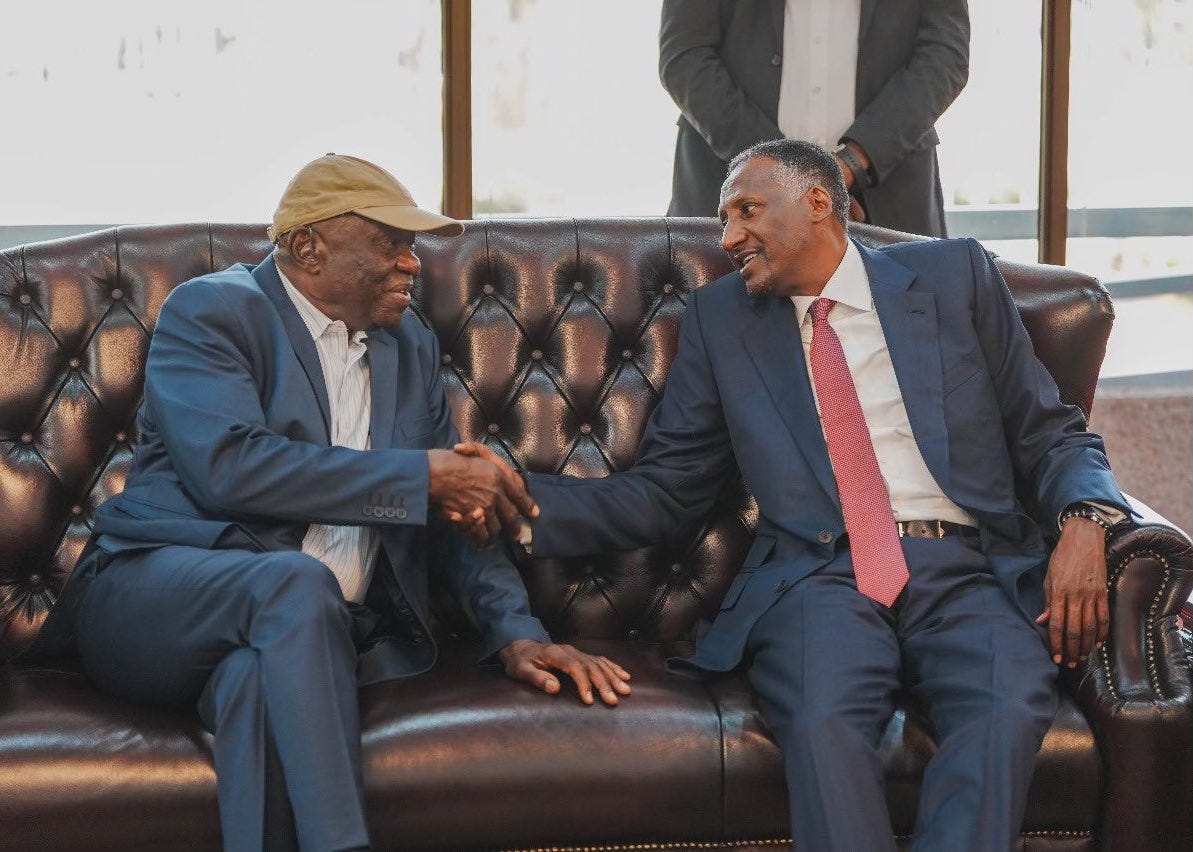
The political situation changed significantly in February 2025 when the SPLM-North and the RSF forged an alliance. Although the political terms of this deal are public, the military arrangements are confidential. SPLM-North appears to have received new funds and equipment as a result of the pact, allowing it to launch a major new recruitment and training campaign, swelling its ranks.
In return, the SPLM-North has allowed RSF troops to operate in its territory and cooperated with it in certain offensives. This has allowed the RSF and SPLM-North (which call themselves the Tasis Alliance) to threaten Kadugli, Dilling, and other SAF-controlled cities. In December, the joint rebel forces made substantial gains in the Kadugli sector, overrunning SAF defenses in two key locations, Barnu and Keiga Junction.
Warning of Sectarian Hatred and Violence
The Kordofan region is now the central battleground of Sudan’s nearly three-year civil war. Consisting of three states and diverse tribes, Kordofan lies west of the Nile River and includes both rocky highlands and arid plains and deserts. With the fall of the Babanusa garrison on 1 Decembrer 2025, the RSF extinguished SAF resistance in West Kordofan. Intense fighting persists in South and North Kordofan, particularly around the cities of El Obeid, Dilling, and Kadugli.
In early December, a UN early warning committee cited grave concerns over “intensified hostilities, violence, atrocities and human rights abuses in the Kordofan region as a result of fighting between the SAF and the RSF and their associated and allied forces.” The UN Human Rights Office in Geneva reported an escalation of ethnic violence, incitement to racial hatred, hate speech, and the use of dehumanizing language.
Prior to last week’s drone strike, some Christian churches in the Nuba Mountains had anticipated potential threats. Catholic parishes had decided to celebrate Christmas in smaller groups, not as full parishes: “To safeguard lives and avoid mass congregations that could be vulnerable to attack, the community divided the celebration,” wrote a Catholic Nuba group on its Facebook page. “Despite the fear and uncertainty, the spirit of Christmas remained unbroken… This solemn adaptation of the Christmas celebration stands as a testament to the resilience of the people [of the local church] who, even under threat of violence, chose unity, prayer, and hope over fear.”
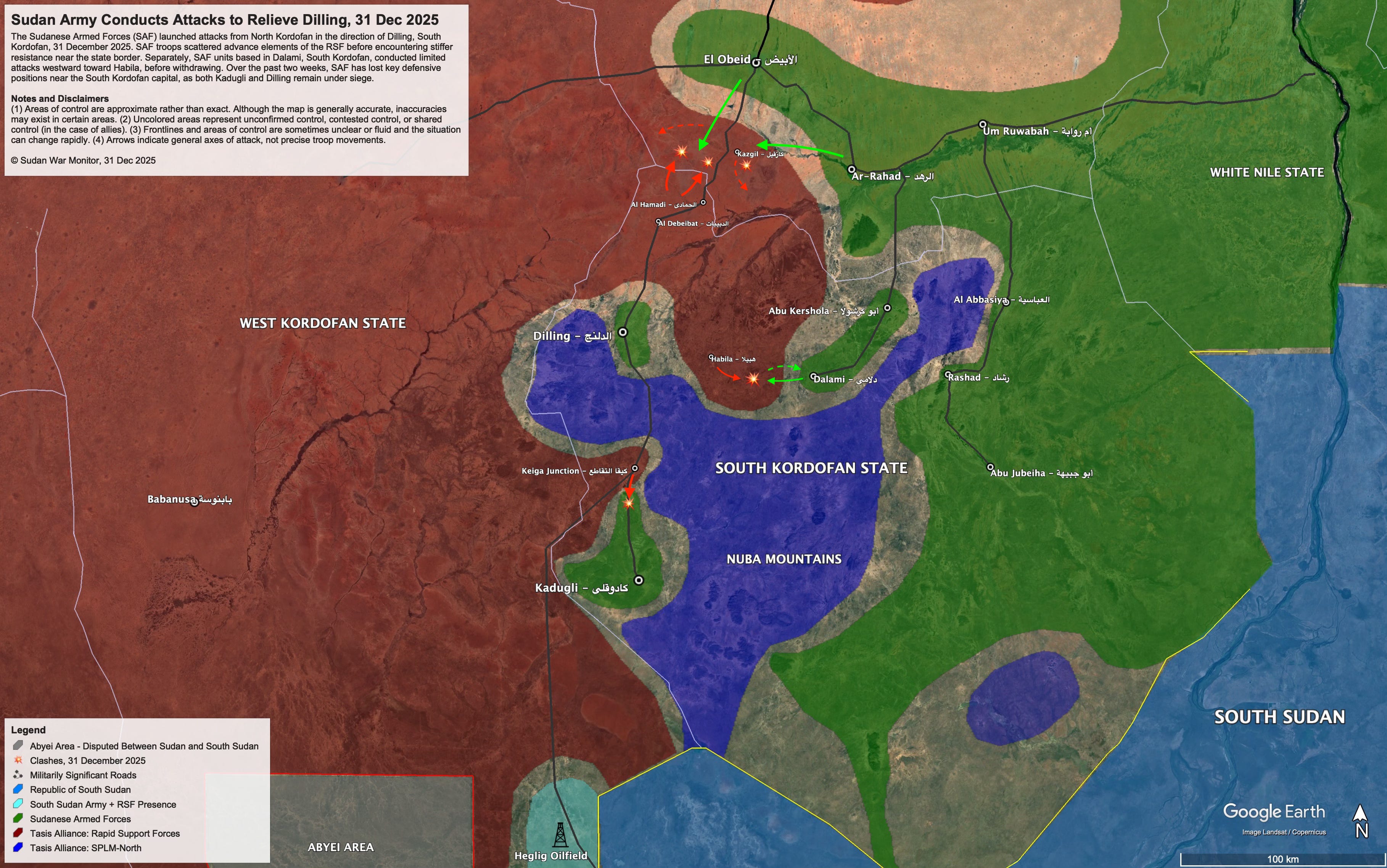
Meanwhile, on the final day of 2025, the Sudanese military launched a multi-axis offensive from North Kordofan State toward South Kordofan, apparently aiming to relieve the city of Dilling, which is being jointly sieged by SPLM-North and the RSF. The offensive initially made gains of about 30 km in some areas, before stalling.
Sudan’s conflict is being fueled by several external parties, including the United Arab Emirates (on the side of the RSF) and Türkiye (on the side of SAF). Their military support has inflamed this conflict and discouraged peace talks, empowering the two sides with deadly new arms, including sophisticated long-range drones that are capable of launching precision munitions.