

High-level army meeting hit by RSF drone strike in Sinja
Senior officers among the dead as RSF escalates aerial campaign to Sennar
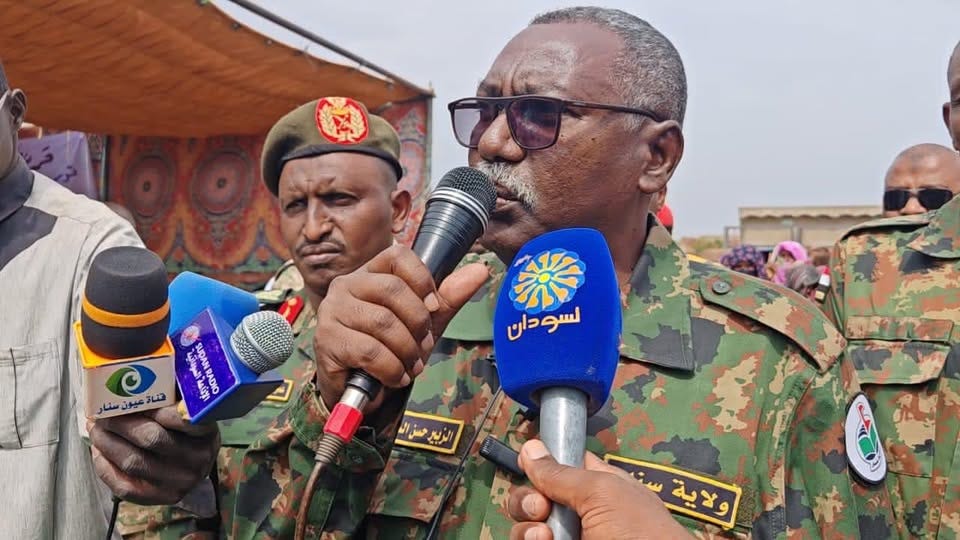
Dozens of people were killed on Monday after coordinated drone strikes hit government and military targets in Sinja, the capital of Sudan’s Sennar State, marking a significant expansion of aerial warfare into a region largely removed from the main fronts of the conflict.
The strikes targeted two separate but closely linked locations; the headquarters of the Sudanese Armed Forces’ (SAF) 17th Infantry Division and a government guest house located near the Sennar State secretariat, where a high-level meeting was underway at the time of the attack.
The attack struck as governors from White Nile State, Sennar State, and the Blue Nile Region— all military-appointed governors—were meeting alongside respective senior SAF divisional officers to discuss border demarcation issues. According to multiple sources, the meeting was taking place inside or adjacent to the government “guest house,” a compound frequently used for official state functions and visiting delegations.
The timing and precision of the strike have raised questions about whether the Rapid Support Forces (RSF) had advance intelligence on the meeting.
Sudan War Monitor geolocated verified video footage showing corpses and large amounts of blood inside the SAF’s 17th Infantry Division headquarters building, confirming that the site sustained a direct hit. The footage, which shows corpses and blood, was geolocated to 13° 9’32.49”N, 33°55’55.81”E, placing the strike squarely inside a fixed military command facility rather than an open or mobile target.
The sound of drone-fired munitions striking both the military headquarters and the nearby guest house sent shockwaves through the city, triggering panic among residents and overwhelming local medical facilities. Casualty figures remain disputed, reflecting both the chaos following the attack and the SAF’s long-standing policy of limiting public disclosures related to military losses.
Sennar State Health Minister Ibrahim Al-Awad said at least 27 people were killed and 73 others injured, attributing the attack to RSF drones. Other reports, including from Al-Hadath TV citing military sources, placed the death toll at 28, with 60 wounded, while local social media sources suggested the number of fatalities could be higher.
In the immediate aftermath of the strikes, urgent ambulance and emergency appeals were issued by the Sennar State government, calling on citizens to donate blood due to the large influx of wounded civilians and military personnel. Sinja Teaching Hospital was reported to be operating at full capacity, with doctors and volunteers struggling to cope with the volume of casualties arriving within a short time window.
Sudan War Monitor is an independent publication covering Sudan’s civil war through OSINT, reporting, Arabic-language sources, and political-military analysis. We publish maps, verified videos, news, and investigative reporting. Please consider subscribing or sharing this article to help sustain our work.
Official statements
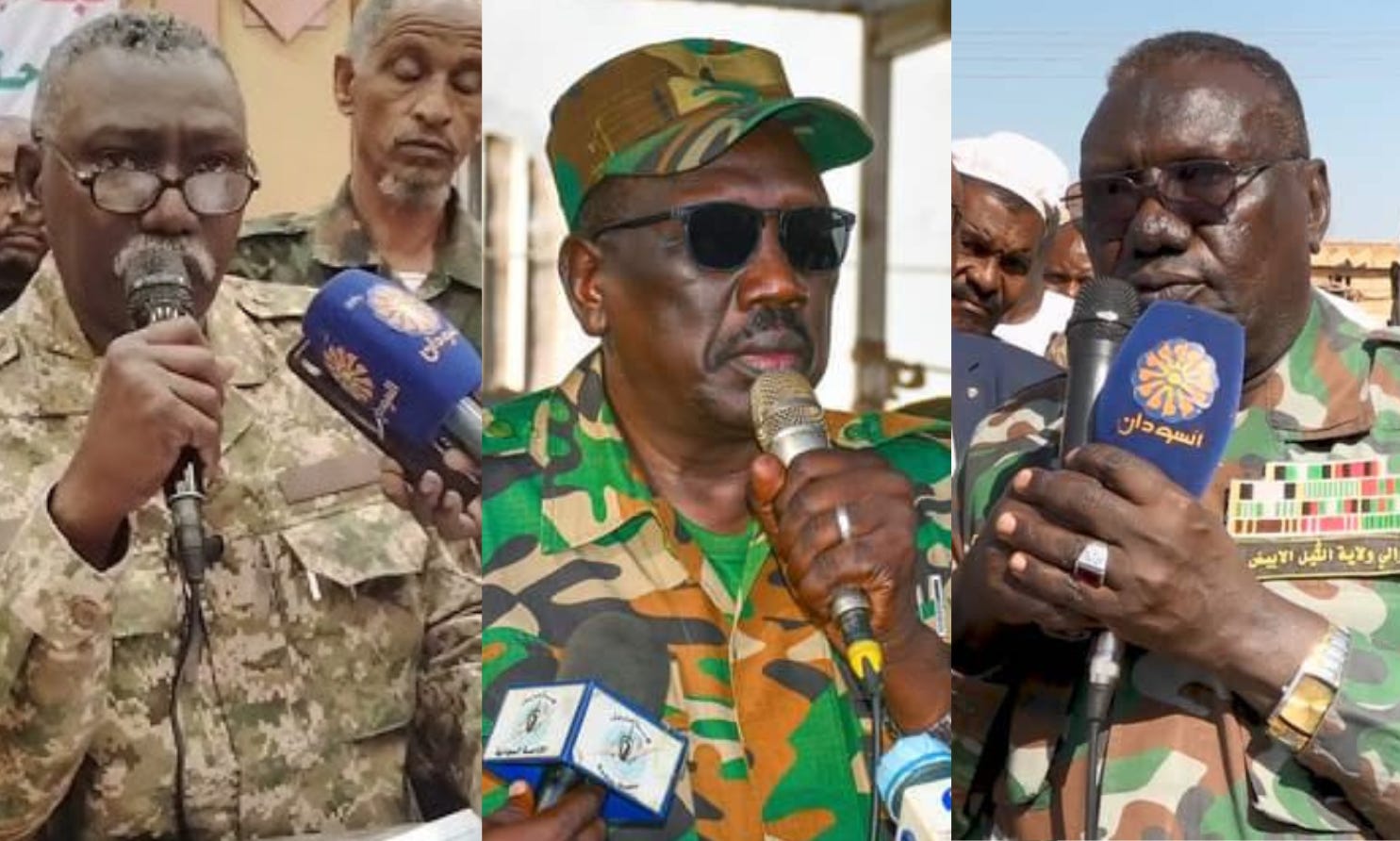
Following the attack, multiple official statements were issued by state authorities and civil society groups, addressing civilian casualties, security conditions, and the safety of senior officials.
The Government of Sennar State issued a statement seeking to reassure residents about the situation in Sinja, emphasizing the response of air defenses and the restoration of normalcy. The statement acknowledged civilian losses while stressing that security forces remained on alert and that damage assessments were ongoing.
“Dear citizens—residents of Sennar State in general, and the people of Sinja in particular—regarding what happened today in the city on Monday, January 12, 2026: a strategic drone targeted the city of Sinja. Praise be to God, the ground-based air defenses responded with full force. However, the attack did result in some losses and injuries among civilians.”
“Despite the civilian losses, the situation in Sinja quickly returned to normal. Life in the city is now proceeding in a very normal manner, as if nothing had happened.”
“God willing, we will update you on the losses and injuries sustained by civilians as a result of this treacherous drone attack.”
The Government of White Nile State issued a separate statement mourning the deaths of two officials killed in the attack, framing them as martyrs who died in the line of duty while accompanying the governor during the meeting.
“With deep sorrow and profound grief… we mourn before Almighty God the martyrs of duty: Al-Mahi Hamad Ibrahim (State Protocol Office) and Sergeant Abdelhadi Al-Safi (the Governor’s bodyguard), who were martyred today in the city of Sinja while carrying out their duties, as a result of an attack by a drone belonging to the rebel militia…”
The government of the Blue Nile region also released a statement addressing rumors circulating online about the safety of its governor, categorically denying claims of injury or death and warning against misinformation campaigns.
“The Government of the Blue Nile Region reassures dear citizens that the Governor of the Blue Nile Region… is safe and in good health. There is absolutely no truth to the rumors and false claims being circulated by the Rapid Support Forces militia…”
Meanwhile, the Sudan Doctors Network issued a sharply worded statement condemning the attack and reporting additional civilian casualties caused by guided munitions fired from RSF drones.
“Ten people were killed by a guided missile fired from a Rapid Support Forces drone at several locations in Sinja… This latest crime adds to the long list of grave violations against civilians.”
Sinja occupies a unique position in Sudan’s war geography. As the capital of Sennar State, the city was captured by the RSF in late June 2024 during its rapid advance across Central Sudan, before being retaken by the SAF in November 2024 as the army regained ground across Sennar, Al-Jazira, and Khartoum states.
Since the RSF’s withdrawal from Central Sudan in early 2025, Sinja had not been targeted by major aerial or ground attacks, making Monday’s strike the first of its kind in the city since the shift in frontlines.
Unlike Kordofan and Darfur, where active ground fighting continues, Sennar has not been a central theater of ongoing combat operations. Its relative distance from active frontlines had allowed the SAF to present it as a stabilizing rear area, suitable for governance, administrative coordination, and civilian return.
The drone strike therefore represents a deliberate projection of force beyond immediate battle zones, signaling that RSF aerial capabilities are not confined to frontline environments.
The SAF has historically avoided announcing the deaths of soldiers or officers killed in combat, a practice rooted in maintaining troop morale and limiting the psychological impact of battlefield losses. As a result, the full scale of military casualties from the Sinja strike remains unclear. Sources familiar with SAF internal reporting said senior officers were among those killed, though official confirmation is unlikely to be forthcoming.
From an operational perspective, the strike raises serious questions about the security of high-level meetings in recaptured cities. The SAF typically does not announce senior visits or meetings in advance, preferring to confirm them only after completion.
This protocol is designed to limit targeting risks. In this case, however, the RSF appears to have obtained advance knowledge of the meeting’s location and timing, suggesting intelligence penetration or surveillance.
This is not the first time the RSF has targeted high-level gatherings. In July 2024, the army chief Abdelfattah Al-Burhan escaped a drone attack during a military college graduation ceremony at the Jabait army base in eastern Sudan, roughly 100 kilometers south of Port Sudan.
Two drones struck the base during the event, killing several people, according to the SAF, while the RSF denied responsibility. The Jabait incident marked an early escalation in the use of UAVs against senior leadership and symbolic state events.
Drone warfare and the battle for legitimacy
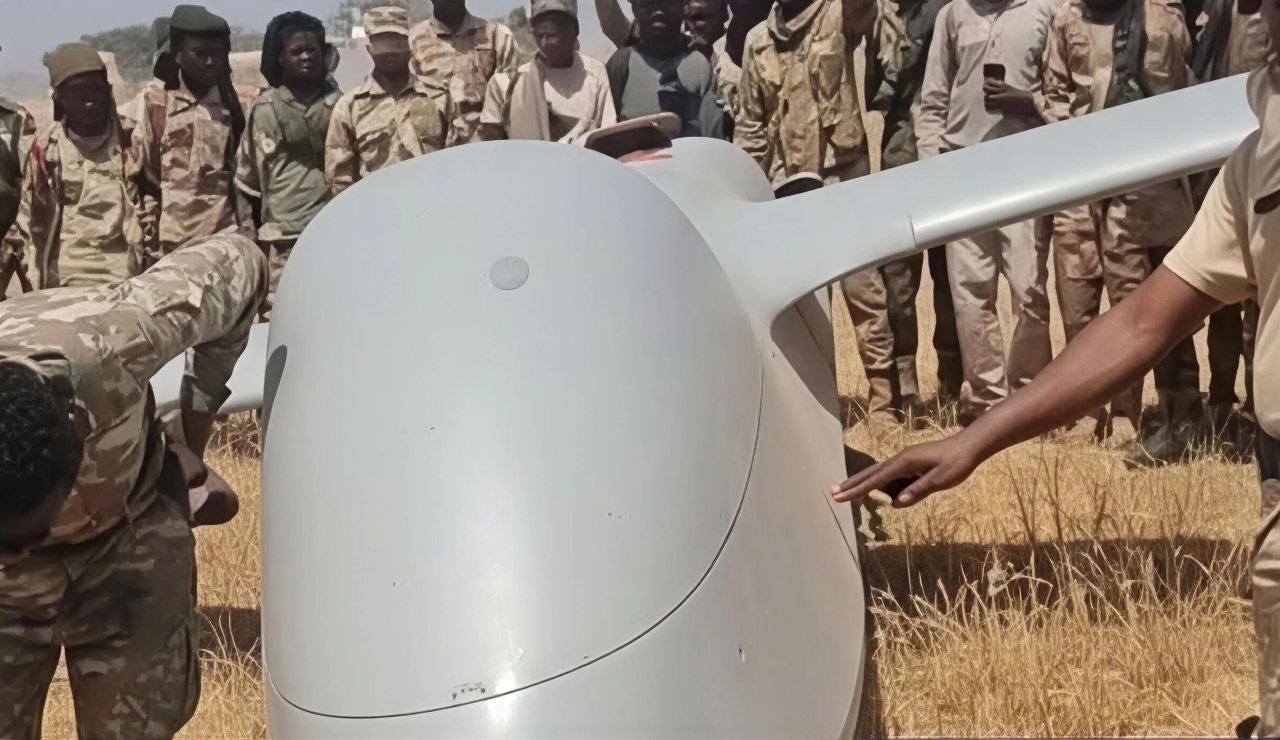
The Sinja attack reflects a broader evolution in Sudan’s war, as both the RSF and SAF increasingly turn to unmanned aerial vehicles (UAVs) to compensate for limitations in maneuver warfare. For the RSF, drones provide a means to strike fixed targets deep inside SAF-held territory without sustaining direct losses on the ground.
For the SAF, drones have been used for surveillance and reconnaissance, as well as for strike missions targeting RSF convoys, military gatherings, and suspected weapons depots, airstrips, and logistical corridors used to move arms and supplies, reflecting a growing reliance on UAVs for both intelligence collection and kinetic operations.
By striking command centers and administrative hubs, the RSF aims not only to inflict casualties but also to undermine the SAF’s claims of restored security in recaptured cities. This approach directly challenges the SAF’s ongoing campaign to encourage civilian returns, a key pillar of its legitimacy narrative.
Civilian presence has become a strategic asset in the conflict. Both parties increasingly frame control over populated areas as evidence of governance, stability, and political legitimacy. The SAF’s push to return civilians to cities which it captured from the RSF is designed to demonstrate state functionality and normalcy.
However, drone strikes that penetrate deep into these areas expose the fragility of that narrative, signaling that even “secure” cities remain within RSF strike range. These attacks complicate stabilization efforts by making civilian life—and high-level governance—precarious and also underscores the risks of static command structures in an increasingly aerialized battlefield.
Fixed headquarters, guest houses, and administrative buildings present predictable targets when adversaries possess even limited ISR (intelligence, surveillance, reconnaissance) capabilities. In this environment, high-level meetings concentrated in known locations become inherently vulnerable.
The Sinja strike was not an isolated incident. One day later, the RSF carried out another drone attack targeting the SAF’s 18th Infantry Division headquarters in Kosti, White Nile State, further reinforcing the pattern of expanded aerial operations.
Taken together, the strikes suggest a coordinated campaign aimed at stretching SAF defenses, testing air defense coverage, and projecting RSF reach beyond traditional frontlines.
Support our journalism

Thank you for reading Sudan War Monitor. We do this work because we believe that journalism is one accountability mechanism that ultimately can contribute toward peace and justice in Sudan—however distant that hope may be. Our work is intended to be a resource for humanitarians, civil society, ordinary Sudanese, diplomats, and news media. Subscribe or share to support our work and help “Keep Eyes on Sudan.”
Shame on countries such as Pakistan for supplying murder machines to BOTH sides of the warring groups.