
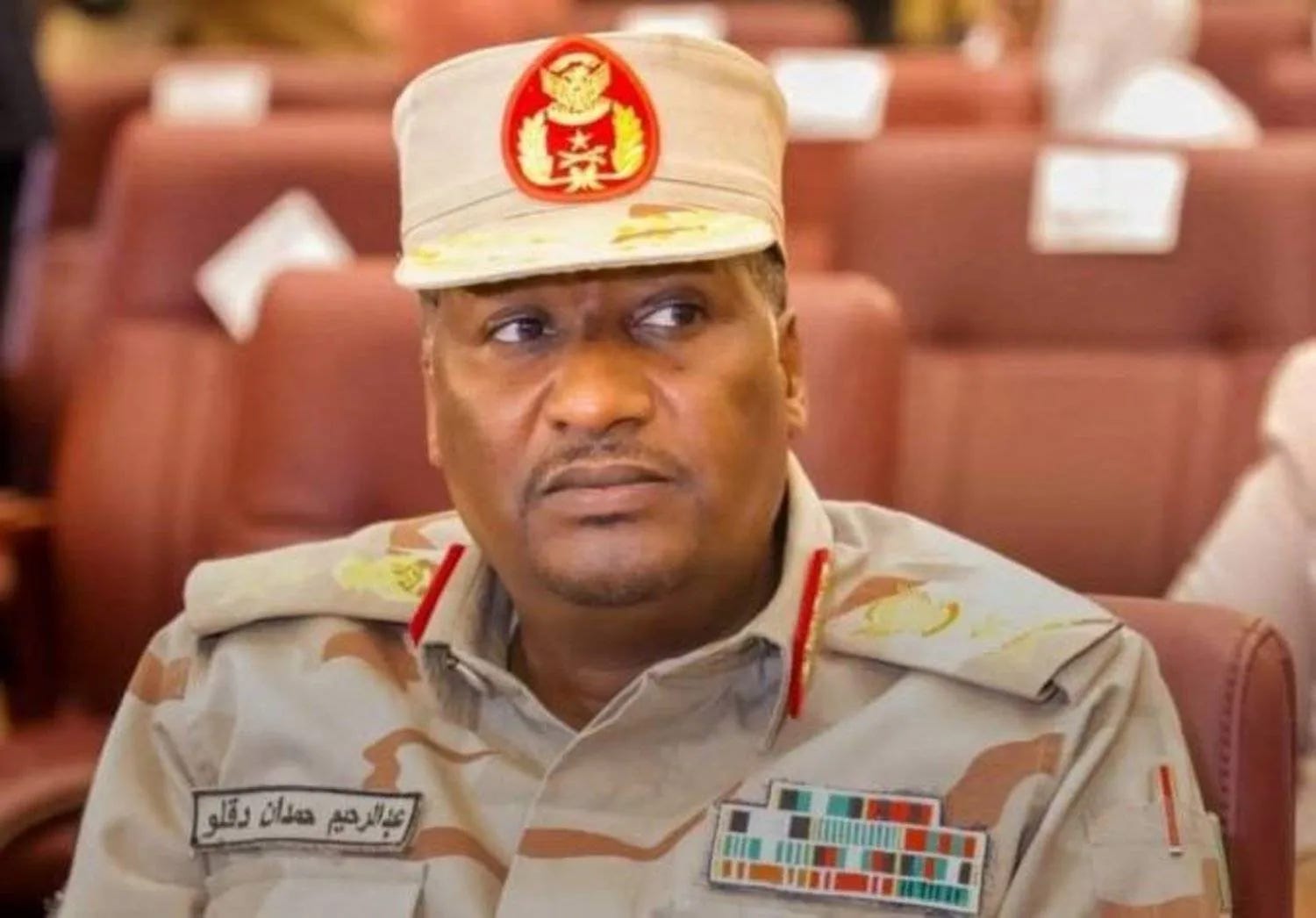
The United Kingdom has imposed sanctions on four senior commanders of Sudan’s paramilitary Rapid Support Forces (RSF), including deputy leader Abdelrahim Hamdan Daglo, accusing them of orchestrating mass killings, systematic sexual violence, and deliberate attacks on civilians during the RSF’s months-long assault on El Fasher.
The move intensifies international pressure on one of the most powerful figures in the RSF hierarchy and marks the third time Abdulrahim Daglo has been sanctioned, following earlier designations by the United States and other Western governments.
The sanctions also come less than a month after the European Union blacklisted Abdelrahim for his role in the Darfur campaign, stating that he “played a pivotal role in the RSF campaign in Darfur.”
Abdelrahim, who is the brother of RSF commander Mohamed Hamdan Daglo, also known as “Hemedti,” is already under U.S. sanctions, along with Hemedti and their younger brother Al-Goney Daglo, for their roles in directing RSF operations and overseeing militia networks implicated in atrocities across Darfur.
The British government said:
“There are reasonable grounds to suspect [Abdurahim] is or has been implicated in mass killings of civilians, ethnically targeted executions, systematic sexual violence including gang rape, abductions for ransom, arbitrary detentions, and attacks on health facilities and humanitarian workers.”
The UK sanctions come less than two months after the Rapid Support Forces seized El Fasher, the capital of North Darfur State and the Sudanese army’s last major military foothold in the region. The city fell on 26 October 2025, ending an 18-month siege and collapsing the Sudanese Armed Forces’ 6th Infantry Division, which had held out under intense encirclement and repeated RSF assaults.
In the days surrounding the city’s fall, thousands of civilians, soldiers, and former combatants were killed along escape routes, inside hospitals, and on El Fasher’s outskirts. Satellite imagery reviewed by Sudan War Monitor, survivor testimonies, and footage filmed by RSF fighters reveal scenes of mass executions, targeted killings of fleeing men, and shootings inside medical facilities—patterns of violence that humanitarian analysts have compared to “Rwanda-level mass extermination.”
Abdelrahim arrived in El Fasher two days after the city’s capture, becoming the first senior RSF commander to enter the city. His presence placed him in immediate proximity to atrocities committed during and after the takeover. Preliminary assessments by Sudan War Monitor and independent research organizations indicate that the death toll reached several thousand, including civilians and disarmed soldiers who were executed after surrendering.
His arrival, coupled with his overarching operational authority across RSF units in Darfur, formed a central basis for Western governments’ conclusion that he exercises command responsibility over the violations. This determination was a key factor in the UK’s latest sanctions, adding to mounting international pressure on the RSF leadership.
Others also sanctioned by the UK includes Gedo Hamdan Ahmed – RSF Commander for the North Darfur, Tijani Ibrahim Moussa Mohamed, a field commander, and Al-Fateh Abdullah Idris (also known as Abu Lulu), who appeared in several videos killing unarmed captives. Sudans Post identifies him as an RSF commander from the Awlad Rashid of the Rezaigat tribe.
In reaction, senior advisor to RSF commander Al-Basha Tabiq dismissed the UK’s sanctions as politically motivated, saying the measures lack legal basis and rely on unverified allegations. He accused London of siding with the Sudanese army and reinforcing groups fighting alongside it, including what he described as extremist factions.
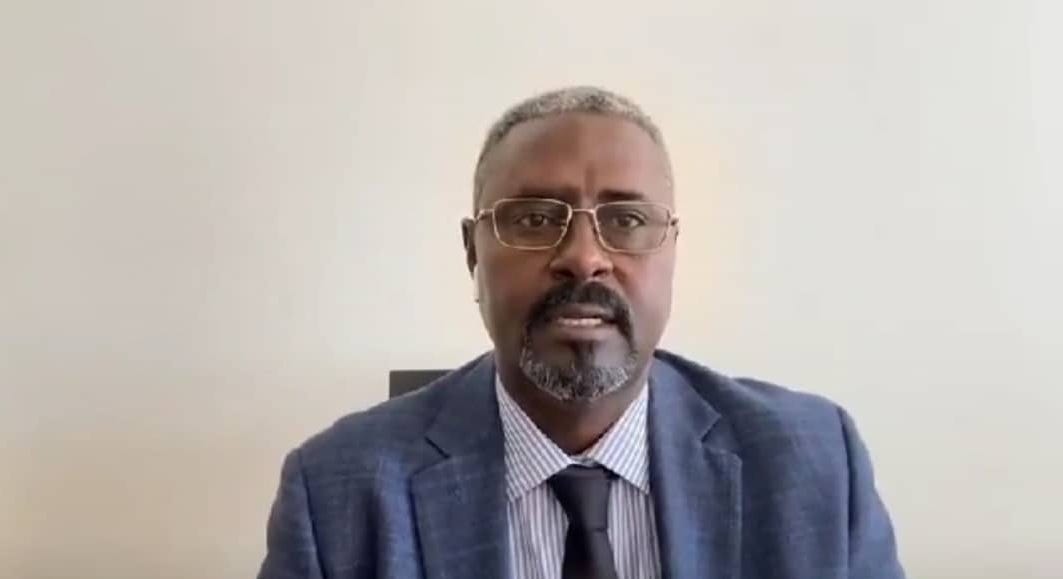
The statement argues that the sanctions will only fuel more violence against civilians and embolden military leaders who reject regional and international efforts to end the war. Tabiq said the decision reflects a broader British bias that undermines prospects for peace.
“The sanctions announced by Britain against four commanders of the Rapid Support Forces lack legal foundation and objective evidence, as no independent investigation committees were dispatched to verify the accusations.”
“These measures appear biased and unjust, clearly reflecting the British position’s alignment with the army militias established before Sudan’s independence.”
“They also amount to direct encouragement of the terrorist groups fighting alongside the army, which will lead to further crimes against civilians, and they support the stance of the army leadership and the Muslim Brotherhood, who reject all regional and international initiatives aimed at ending the war in Sudan.”
The UK designation adds travel bans and asset freezes and formally cites his suspected involvement in ethnically targeted executions, gang rapes, abductions for ransom, and attacks on hospitals and humanitarian workers in and around El Fasher.
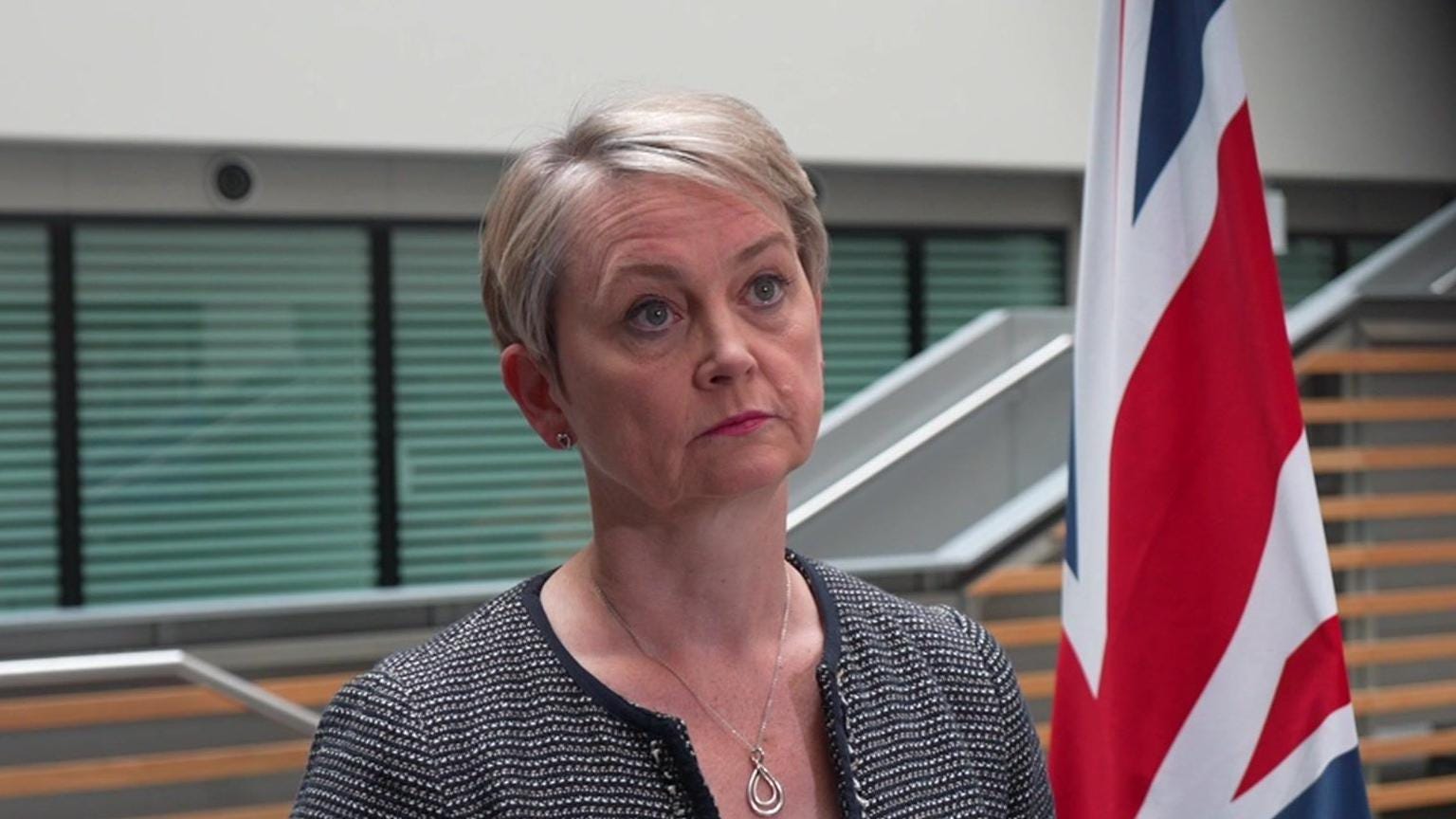
British Foreign Secretary Yvette Cooper said the atrocities “scar the conscience of the world,” adding that London would continue pursuing commanders “with blood on their hands” while expanding humanitarian relief for civilians trapped by the fighting.
“The atrocities taking place in Sudan are so horrific they scar the conscience of the world. The overwhelming evidence of heinous crimes - mass executions, starvation, and the systematic and calculated use of rape as a weapon of war - cannot and will not go unpunished.”
“Today’s sanctions against RSF commanders strike directly at those with blood on their hands, while our strengthened aid package will deliver lifesaving support to those suffering.”
“The UK will not look away, and we will always stand with the people of Sudan,” Cooper said in a statement following the sanctions announcement.
Alongside the sanctions, the UK announced an additional £21 million in emergency assistance for communities affected by the war, bringing its total contribution this year to £146 million. The aid package will support food distributions, medical care, and protection services, particularly for women and children who have fled RSF-controlled zones.
More than 30 million Sudanese now require humanitarian assistance, and nearly 12 million have been displaced, according to UN agencies. London said it is preparing further measures, including additional sanctions, as it pushes for accountability in El Fasher and broader compliance with international humanitarian law across Sudan.


