
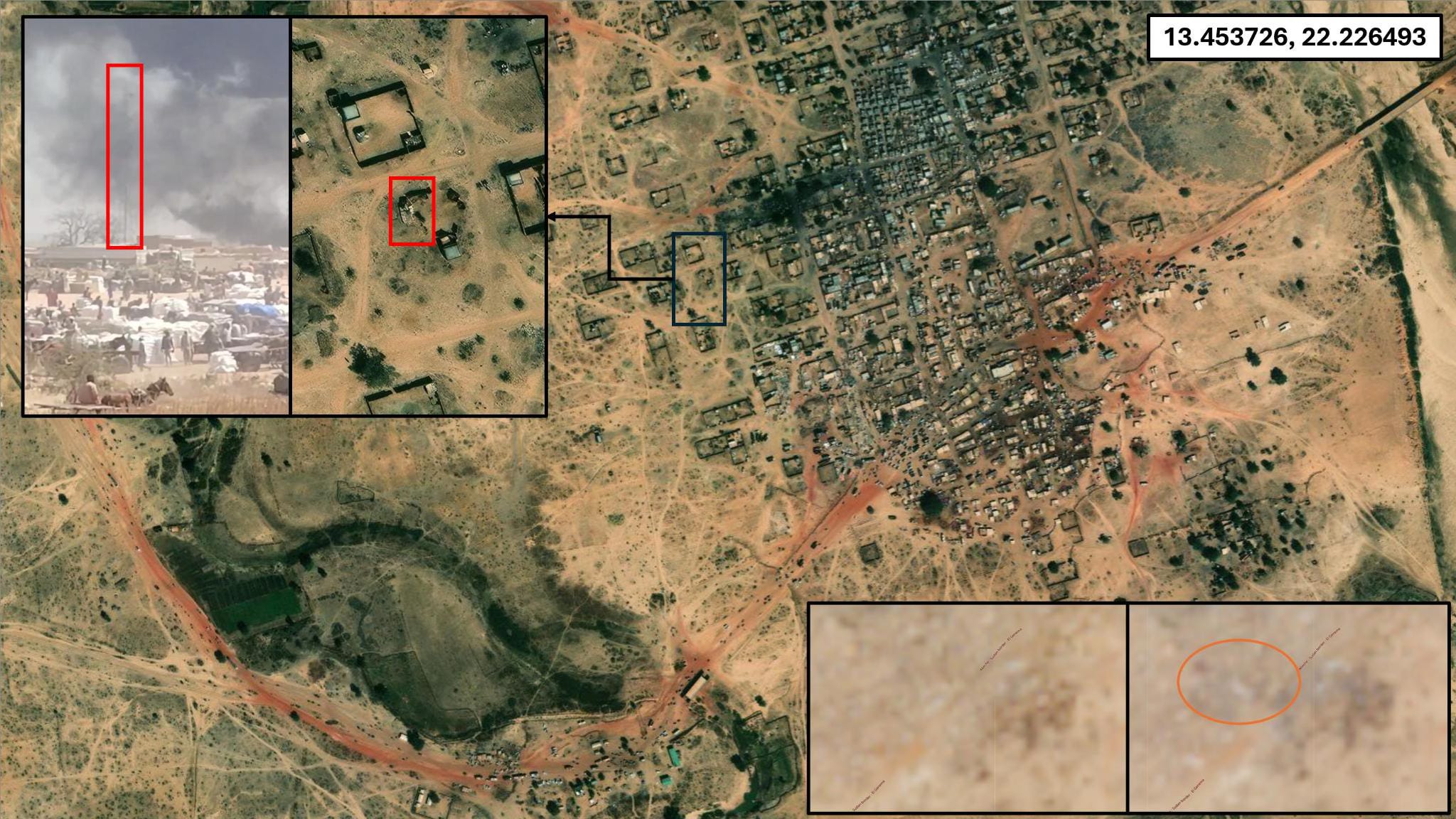
A Sudanese army drone attacked the Adikong border crossing between Sudan and Chad near Adré on Thursday, March 12, 2026, sending up an enormous fireball and burning about two dozen people.
The attack targeted fuel supplies in or near the market. Videos of the scene show thick black smoke and secondary explosions characteristic of burning diesel. Similar attacks on Adikong took place in February and December.
Doctors Without Borders (MSF), which supports a hospital in nearby Adré, said that four people died in the attack and 23 injured civilians arrived at the hospital for treatment, including four women and seven children.
The aid group called on the warring parties to take more seriously their obligation to protect civilian lives.
A local media outlet, Darfur24, put the death toll at seven, citing unspecified local sources. It said that the SAF drone fired four missiles at the market.
Throughout the Darfur and Kordofan regions, hundreds have died in drone attacks carried out by the two sides in recent weeks, amid limited ground fighting. The Sudanese Armed Forces (SAF) has repeatedly hit fuel markets and fuel trucks at the borders of Chad, Libya, and South Sudan, attempting to damage both military logistics and the civilian economy.
Markets inside Darfur and Kordofan have also been hit, including in the RSF capital, Nyala, and smaller towns. For example, an army drone killed 11 people and injured 20 at Nyala market on March 8, according to medical sources.
Another gruesome attack hit a vehicle carrying mourners between Abu Zabad and Al-Fula in West Kordofan on March 10. Video from the scene shows wreckage of the vehicle, scattered victims and body parts across the road, as well as several wounded survivors. Nazir Ibrahim Jangawi, the leader of the Hawazma Rawwaqa tribe, told Sudan War Monitor that the victims all belonged to a single extended family (specifically the Awlad Ajoul clan).
He attributed their targeting to their ethnic affiliation, condemning the army’s targeting of his tribe based on charges of supporting the RSF. A list of victims, compiled by local leaders, included 40 names, most of them women.
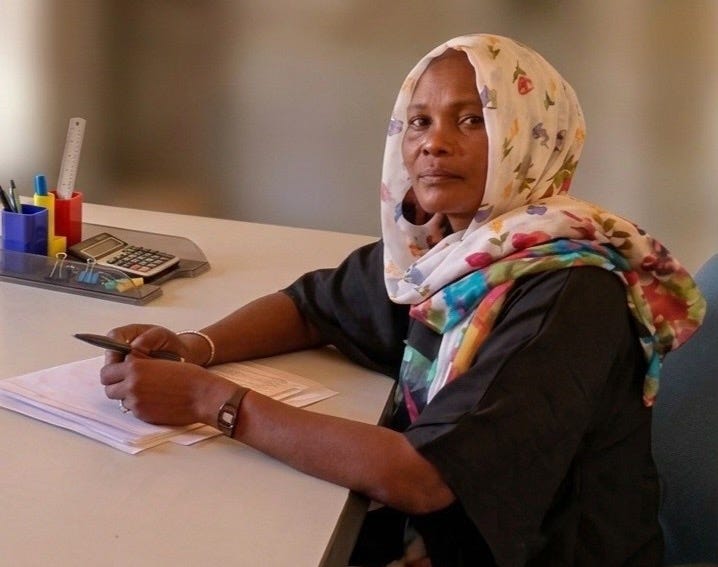
Another attack by an army drone targeted the “Mandari” market in Julud, Dilling County, on Sunday, March 8. The armed opposition group that controls the area, SPLM-North, circulated photos of eight dead women and six children, asserting that the total death toll was 17. Among the victims was a local SPLM-North official, Hanem Ibrahim Raqiq (pictured).
In an obituary, SPLM-North said,
“The deceased was a unique example of discipline and dedication to her work. She rose through the ranks of the People’s Army, reaching the rank of captain, and was recently appointed commissioner of Dilling County, where she was martyred while performing her duties among her citizens. Her death coincides with International Women’s Day. This is the punishment the Islamist militias have decided upon for honorable female fighters on their International Day, in a cowardly and inhumane manner, following their repeated defeats in direct field operations. Her blood will not be shed in vain, and your punishment will soon come.”
The Julud area is located west of the partially besieged city of Dilling, headquarters of the army’s 54th Brigade. It was attacked by a drone in December, targeting a procession of worshipers on Christmas Day.
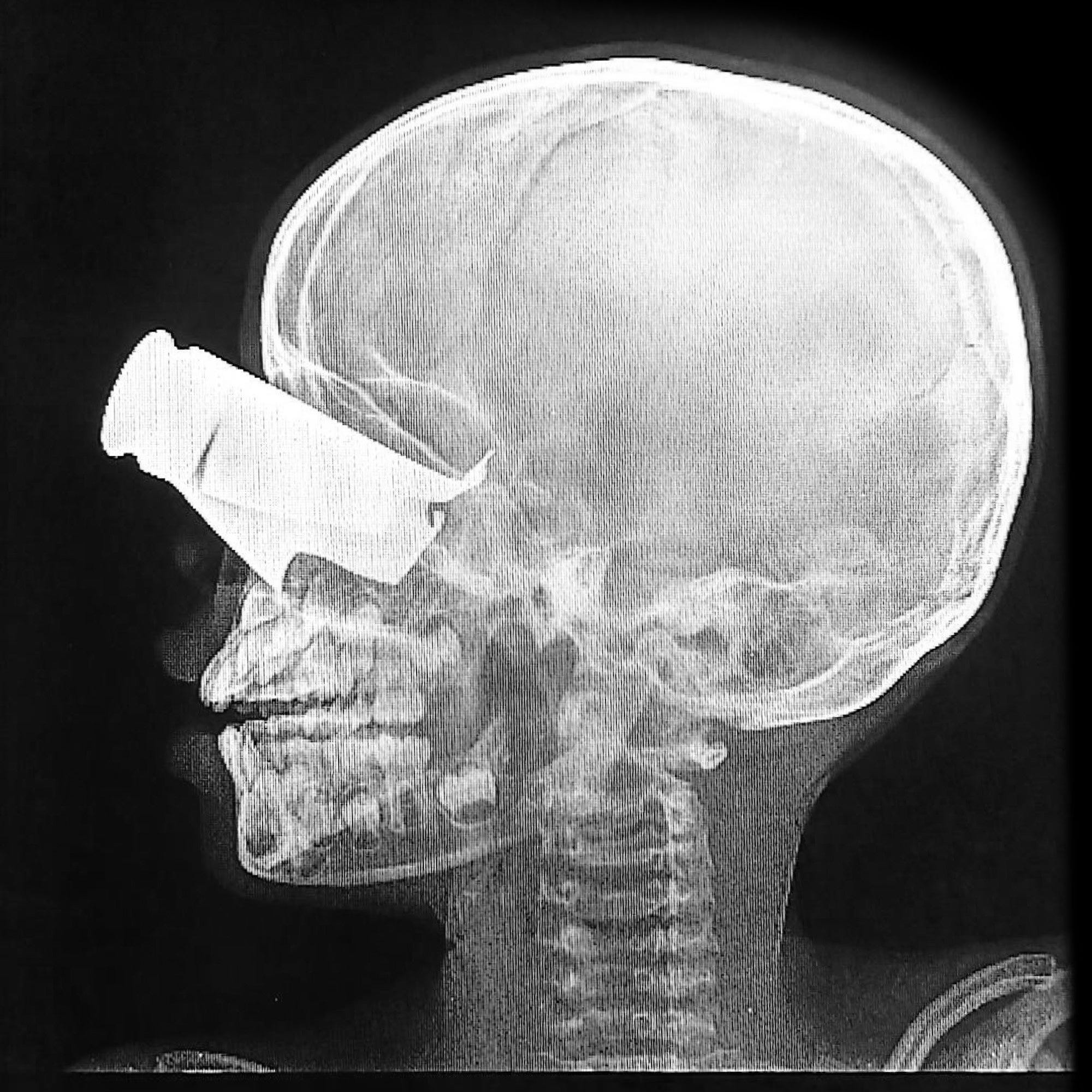
RSF attacks have been deadly too. In the town of Tina, 29 people were injured in two suspected RSF drone attacks on February 6. The below X-ray was taken at a nearby hospital in eastern Chad after the attacks. It shows a piece of shrapnel embedded in the head of a 9-year-old boy. The RSF subsequently launched a ground attack on Tina on February 23, briefly capturing the city, which had been controlled by the Joint Force (JEM, SLM-Minawi, etc).
Additional RSF attacks in White Nile State over the past few days reportedly have hit a school, health center, and ammunition depot.
Unaffiliated human rights organizations and conflict monitors say that both sides are inflicting civilian casualties in the escalating drone war. Sudanese organization Emergency Lawyers commented,
“Army and Rapid Support Forces drones continue to commit systematic massacres against civilians in Sudan, deliberately targeting schools, health centers, markets, and civilian transportation. These brutal acts cannot be justified by any military pretext and constitute a flagrant violation of international humanitarian law and clear war crimes.”
The drone war has overwhelmed medical workers, particularly in rural areas, where the wounded may not be able to get the treatment that they need.
The relentless pace of attacks has made it difficult for human rights monitors and journalists to verify circulating claims. Each of the warring parties and their respective networks of social media influencers and media outlets frequently fabricates or exaggerates claims of atrocities by the other side.
It has become common for the warring parties and their supporters to circulate AI videos, repurposed atrocity footage, and other forms of disinformation. When legitimate military targets are hit, the warring parties often claim that those were civilian targets. These tactics aim to dehumanize the other side in the conflict, build popular support for their own war effort, and distract from reporting about war crimes committed by their own side.

Sudan War Monitor is a collaborative of journalists and open source researchers tracking the events of Sudan’s war and the search for solutions. While most of our content is free to read, paid subscriptions fund continued coverage and investigations. If you have the means, please consider signing up for a paid subscription to support this work.


