

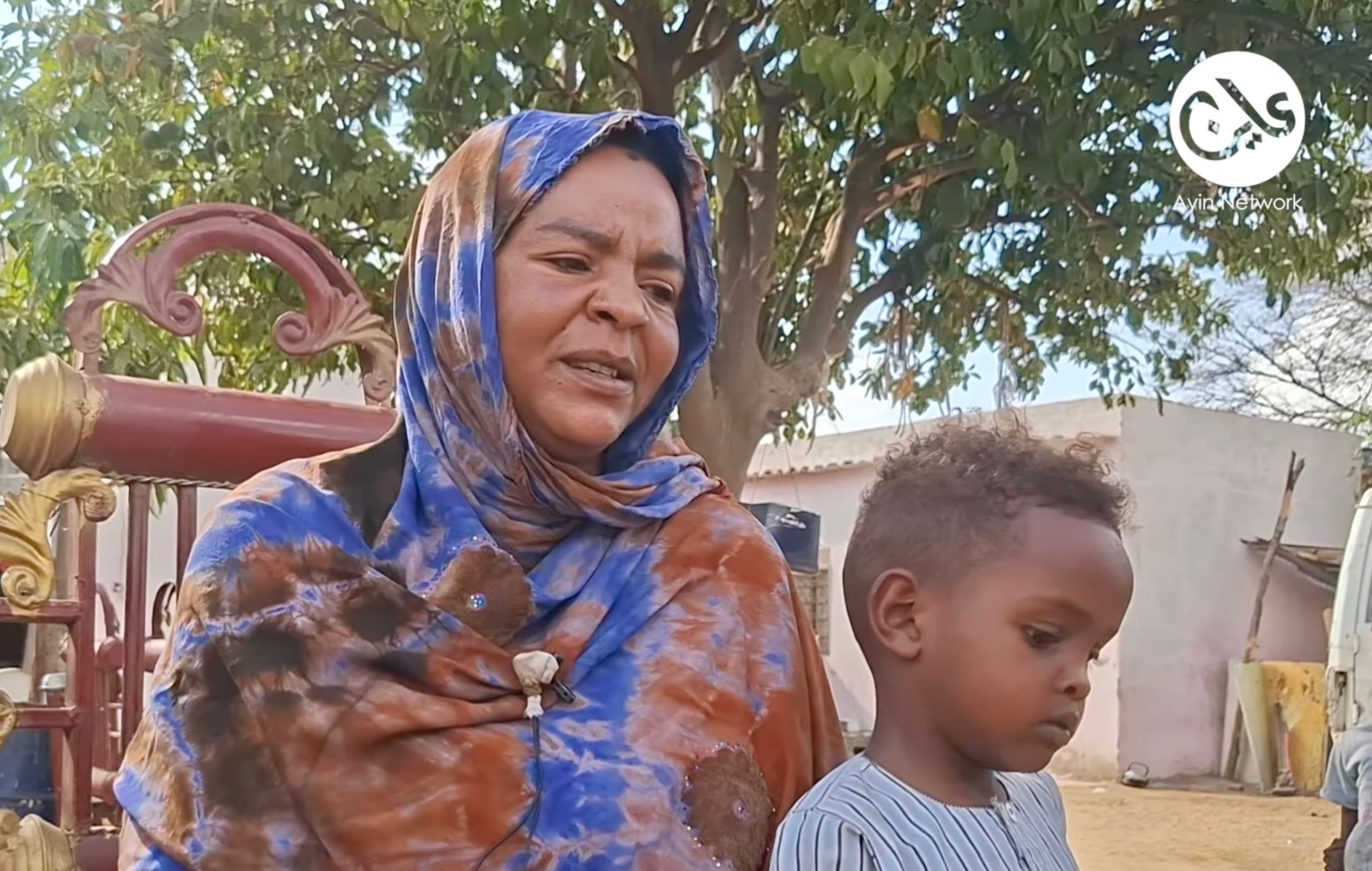
Early news reports and condemnations of the hospital attack left two key questions unanswered: Who did this — and why?
The evening of March 20th was expected to be a festive one in Ed-Daein, a city of 350,000 people in Sudan’s Darfur region. It was the start of Eid al-Fitr, a three-day celebration at the end of Ramadan, a holiday characterized by gift-giving, communal meals, prayers, and social visits.
Though Sudan is a country at war, Ed-Daein itself is far from any active frontlines. It is the capital of East Darfur, the least conflict-affected of Sudan’s five Darfur states. Occasional bombings have hit the city, but Ed Daein hasn’t suffered any ground fighting since 2023.
At the Ed Daein Teaching Hospital, Dr. Anas Saleh Al-Tom was working the holiday shift. “The hospital was crowded with patients, visitors, children, and women,” he recalled. Dozens of family members had come to visit patients, so that they would not pass the holiday alone. Visiting the sick during Eid is strongly encouraged culturally and religiously.
It was about two hours after the Iftar meal. Revelers still filled the streets and sat at coffee shops near the hospital, sipping tea and coffee. Dr. Al-Tom remembers exactly where he was standing when the celebrations turned suddenly into mourning: “I was following up for one of the patients at the blood bank. That’s where I was specifically when the hospital was targeted.”
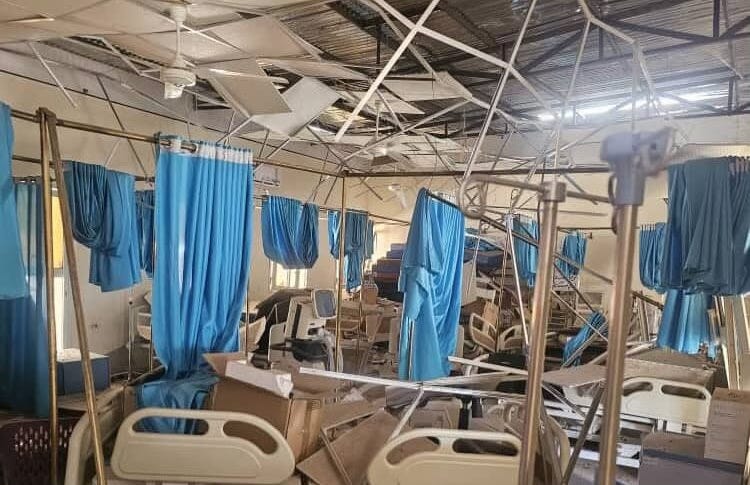
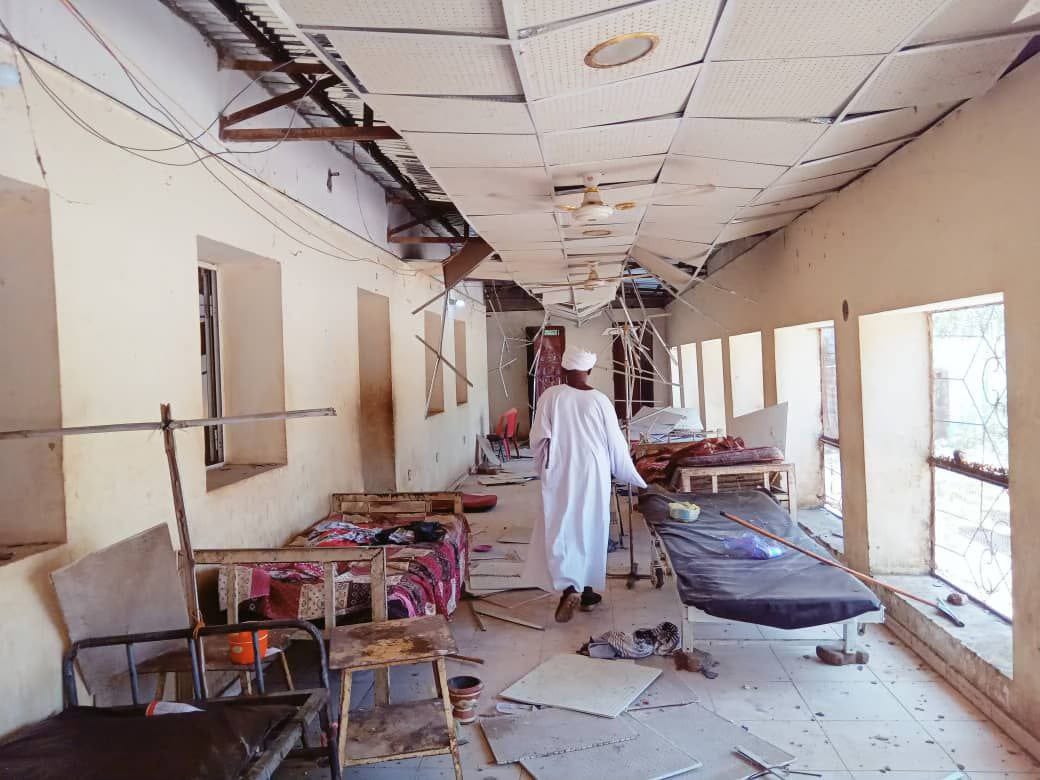
The explosion plunged the hospital into darkness and knocked over the young physician. As he came to his senses, he found himself surrounded by debris, bodies, smoke, and injured patients.


Though wounded in his back, shoulders, and chest, he joined other rescue workers in evacuating the wounded and survivors. “While we were still working, we were targeted again. The entire building was destroyed: the pharmacy, the lab, the emergency room — all of it.”
Some of the patients he had been caring for before the blast were killed.
According to the Director-General of the State Ministry of Health, Al-Azraq Hassan Hamida, at least two missiles hit the hospital about 20 minutes apart. “The first bomb struck at approximately 8:40 p.m., the second at around 9:00 p.m.,” he said at a news conference outside the ruined hospital. This type of attack is known as a “double tap.” It seeks to increase casualties by not only targeting a site but also hitting the first responders.
Thirteen children were among the 70 people killed in the attack, along with two nurses, a doctor, and five other health workers. More than 100 others were injured, according to the World Health Organization.


Precise Targeting
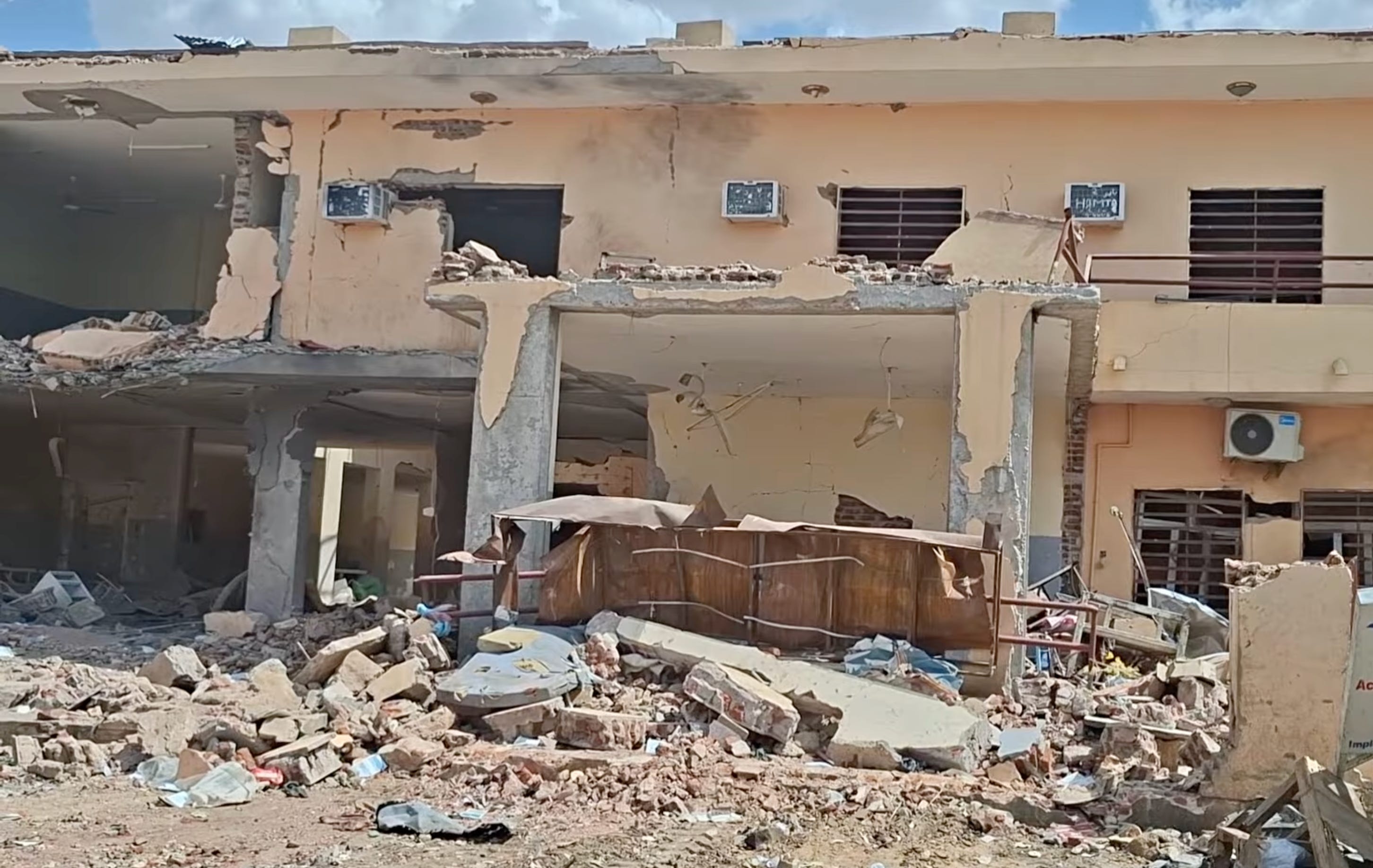
Satellite images, videos, and photographs of the hospital show extensive damage to the roof, exterior walls, and interior. At least two munitions struck the metal roofs of separate multistory atriums, penetrating the roof structures and detonating inside, while additional munitions hit the exterior walls. Researchers at the Humanitarian Research Lab at the Yale School of Public Health analyzed satellite photos of the attack and concluded that there were “multiple precise impacts” in at least three places.
The images also showed significant debris on the road in front of the hospital. This is consistent with witness accounts that bystanders and patrons of coffee shops adjacent to the hospital were among the victims, in addition to the patients and caregivers killed inside. Ali Mohamed Issa, a volunteer emergency worker, told Darfur 24 that one missile targeted the hospital’s northern gate, an area typically bustling with cafes.
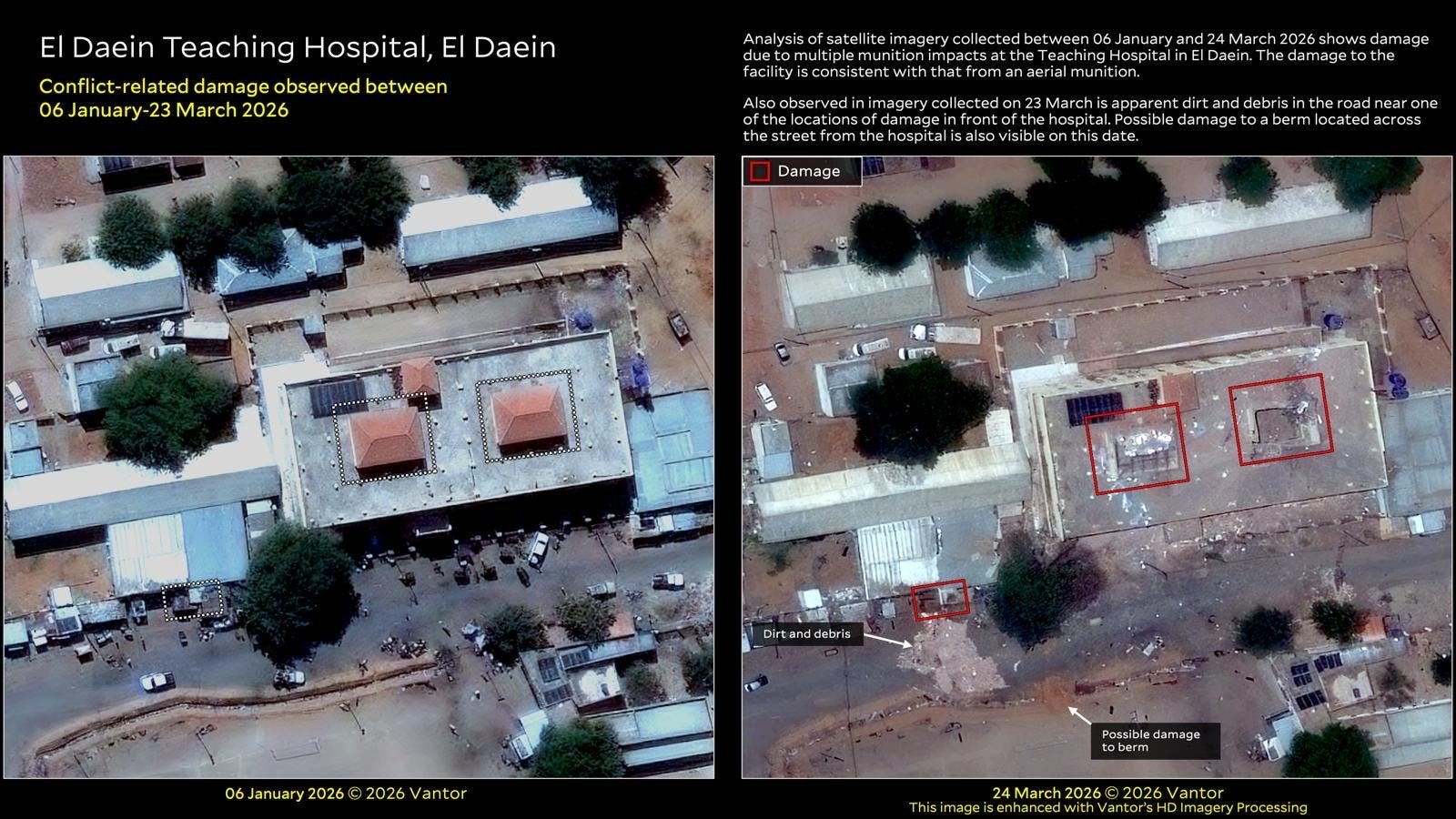
The Sudanese Air Force operates long-range Bayraktar Akinci drones that are capable of carrying such an attack. They carry laser-guided munitions such as the Roketsn MAM-L (22 kg) and MAM-T (95 kg), which are capable of penetrating a roof with a fuze delay and detonating on the interior.
Sudan War Monitor has previously verified operations by this type of drone in Darfur, including in neighboring South Darfur State, where the RSF shot down one of the unmanned bombers in January 2026. Since 2023, the Sudanese Air Force has conducted hundreds of aerial attacks throughout Darfur. Anti-aircraft fire brought down many of SAF’s manned warplanes in 2023-2024, after which it shifted increasingly to using unmanned aircraft.
Army Supporters Celebrate
Before the smoke had cleared from Ed-Daien Hospital, even as rescuers were still searching through the rubble, cheers erupted in the ranks of the Sudanese Armed Forces (SAF).
Within an hour of the hospital attack, pro-army ‘milbloggers’ — including users likely connected to the SAF and its paid influencer networks — began reporting that SAF had conducted aerial attacks in Ed Daien against the Rapid Support Forces (RSF), the rebel group that controls the city. These early claims of responsibility, posted across social media networks including Whatsapp, X, Telegram, and Tiktok, came before media coverage of the event, and before videos of the damage and victims had circulated.
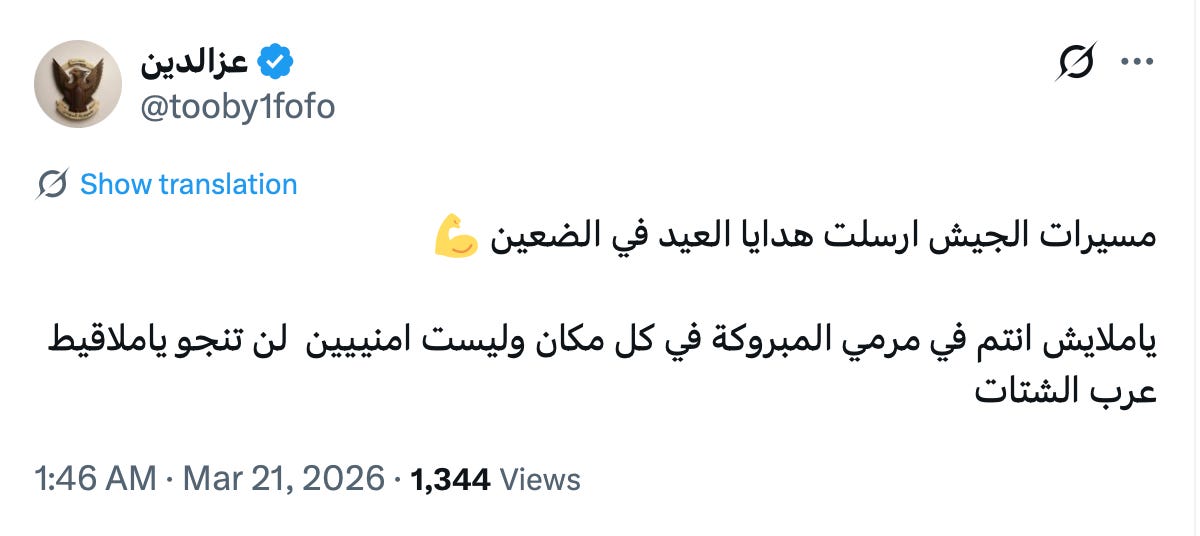
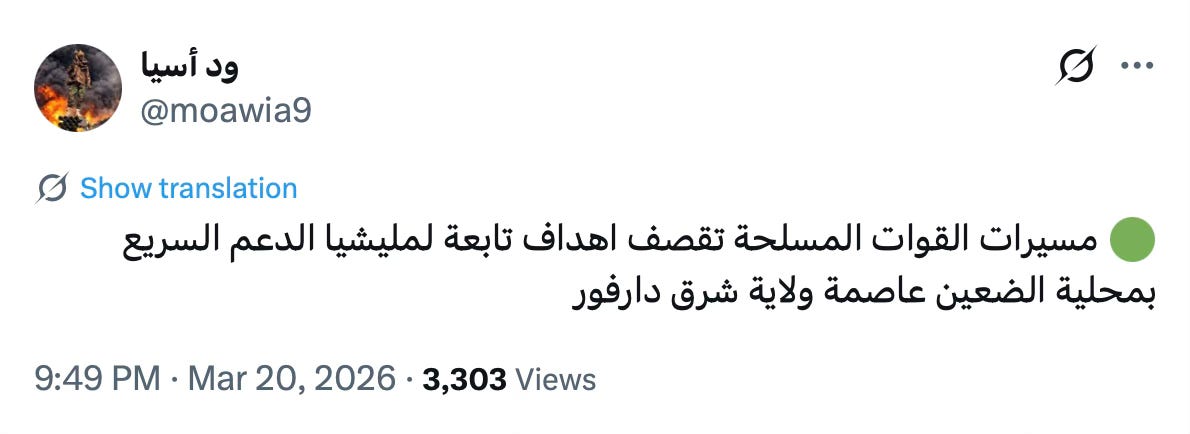
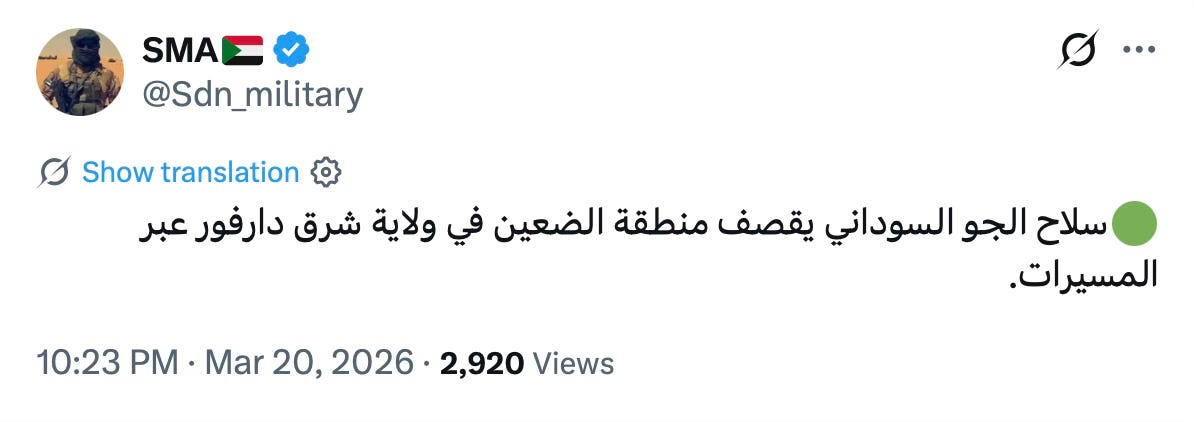
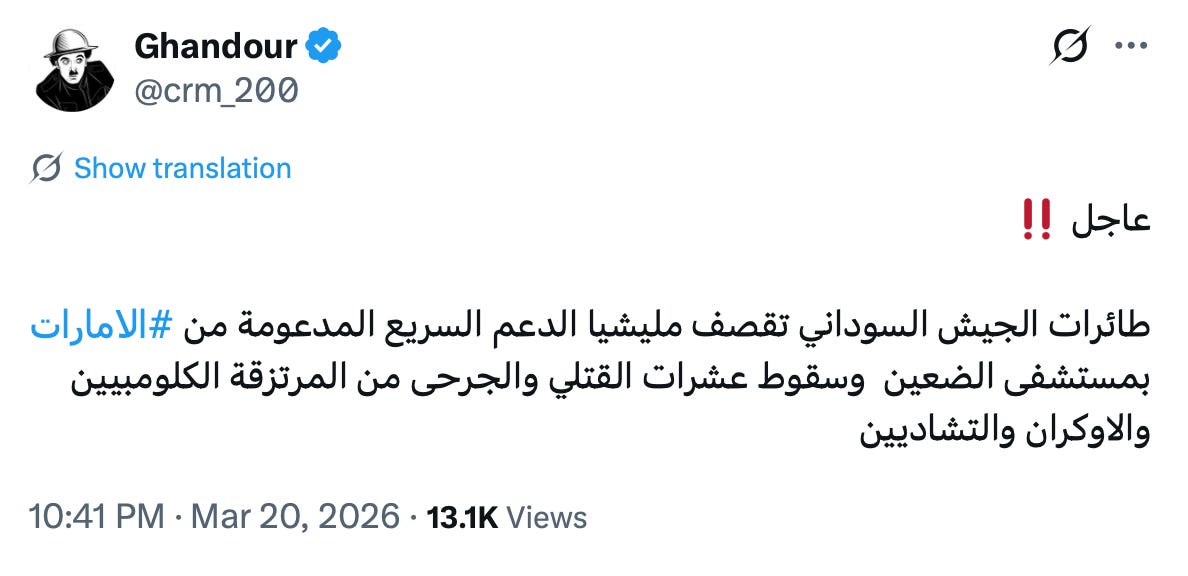
They offered a variety of justifications for the attack. Some said that the army’s drones had attacked legitimate military targets in Ed Daien. Others admitted that a hospital was struck, but insisted this was legitimate because the hospital had been treating wounded RSF combatants.
For example, pro-army “Sudan News” account (@sudan_tweet) shared, “The Sudanese Armed Forces carried out precise airstrikes using combat aircraft and drones, targeting sites affiliated with the UAE-supported terrorist Janjaweed militia in the cities of Ed-Daein and El Fasher in Darfur. The operations resulted in the neutralization of large numbers of militia elements, in addition to the destruction of combat vehicles and logistical supplies.”
Shifting Explanations
Later, as public outrage over the hospital attack spread, army propagandists began issuing denials and making counter-accusations against the RSF, attempting to divert attention away from the hospital attack. The Armed Forces spokesperson issued a statement denying involvement in the attack and implying that the RSF instead was responsible (which would mean that the RSF had bombed a hospital in a city that they control).
“The Sudanese Armed Forces General Command has followed with astonishment… the accusations that the Sudanese Armed Forces attacked El-Daein Hospital. The Sudanese Armed Forces (SAF) affirms that it is a regular force committed to international law and norms. This pattern of behavior, however, is characteristic of the Rapid Support Militia, which has repeatedly carried out such attacks…”
Unofficially, however, army officials admitted responsibility for the attack, while claiming it had been a mistake. Two unnamed senior officers told the Associated Press that the strike was intended for a nearby police station.
This explanation echoed a viral post by Yasin Ahmed, one of the army’s most popular influencers, who claimed to have family in El Daein from whom he had gathered accurate information. He wrote, “The police station near the hospital, which the RSF militias terrorist group turned into an arms depot, was hit by drones. Due to the force of the explosion, some shrapnel fell into the hospital, and there were some injuries.”
However, satellite images contradict this. Yale Humanitarian Research Lab reported, “Damage is not visible in satellite imagery in areas surrounding the hospital, which include government and police buildings. This provides evidence that the hospital was specifically targeted.”
No single explanation for the attack is universally accepted among supporters of the Sudanese military. In the days since the attack, many have continued either to defend the decision to attack the hospital, or, contrastingly, denied SAF involvement altogether, pointing to possible reasons why the RSF would have carried it out. For example, a widely circulated article attributed to the ‘National News Center’ claimed, “The operation was not an external attack but rather a calculated internal liquidation carried out by militia leadership to rid itself of the burden of the wounded and injured.”
“Sources confirmed that the drone was launched from within East Darfur State and precisely targeted wards housing wounded [RSF] fighters who had recently been evacuated from the latest battles in Al-Fula.
“According to the information, the militia is suffering from a complete lack of medical personnel and treatment supplies, turning hundreds of wounded into a heavy logistical burden that leadership was unable to manage—leading to a cold-blooded decision to eliminate them.
“Eyewitnesses stated that the drone’s flight path was low and short, indicating it was launched from a nearby platform within militia-controlled areas of the city, rather than from Sudanese army bases…”
Similarly, on Telegram, the pro-army “Karari Channel (We are all the Sudanese Army)” published an article claiming that the attack was “an attempt to cover up financial irregularities concerning the medical treatment and financial entitlements of wounded RSF personnel.”
The author claimed that rampant corruption within the RSF’s administrative offices in Darfur had devoured financial entitlements intended for wounded fighters, triggering internal tensions that led to the attack. He also asserted, “In reality, this facility [the Teaching Hospital] serves as a military barracks and a major weapons depot; yet, the militia has turned its wards into a ploy, a sort of ‘Wailing Wall’ designed to deceive the international community.”
War Crime
Despite such denials, independent monitors (Yale HRL, Emergency Lawyers, Sudan War Monitor) concluded that SAF was responsible for the attack. Emergency Lawyers called the attack “a grave crime that exacerbates civilian suffering and deprives communities of essential medical services amid already deteriorating humanitarian conditions.”
Yale Humanitarian Lab, in its report dated 24 March 2026, titled “Confirmation: SAF Attack on El Daein Teaching Hospital,” wrote:
“Yale HRL assesses that this attack was conducted by SAF because El Daein is both a base of RSF control and a part of the traditional area of the Rizeigat communities, a group that comprises a significant percentage of the make-up of the RSF…”
“El Daein, East Darfur is under RSF control, and it maintains military and logistics capabilities in the city. On 6 March SAF drones targeted a fuel warehouse [in Ed Daien], killing at least six civilians including children.”
“Throughout Ramadan… SAF has conducted drone attacks on a range of critical infrastructure in Rapid Support Forces (RSF)-controlled areas, notably targeting markets.”
The Yale report also included legal analysis explaining the status of hospitals under international legal norms established by the Geneva Convention, Rome Statute, and other treaties and precedents. The report stated:
“Hospitals under international law are special protected objects and targeting special protected objects is a war crime. Hospitals’ special protected status does not end unless they are actively used in military operations against an opposing party.”
“This protected status endures when hospitals are used to treat wounded combatants. A legal attack against a hospital under international humanitarian law requires that both (a) the hospital has been used by a military in a way that ends its status as a special protected status (i.e. to launch an attack), and (b) the attack on the hospital must be preceded by a warning with a time limit to allow for safe evacuation of the facility. The party attacking the hospital maintains its obligations under international humanitarian law to take precautions to minimize harm. SAF has not demonstrated that either standard has occurred.”
The Sudanese military has bombed hospitals before, both deliberately and inadvertently. For example, it bombed the East Nile Hospital in Khartoum State in May 2023, after reports that RSF troops were being treated there. More recently, it attacked Al-Walidain Hospital in Al-Mujlad on 5 March 2026.
The RSF has attacked medical facilities too. It shelled hospitals and clinics in El Fasher and Dilling during sieges of those cities, and RSF troops massacred patients when they took over El Fasher in October 2025. Moreover, a deadly attack on the Saudi Maternity Hospital in El Fasher in January 2025 was widely blamed on the RSF. Both sides at the time were carrying out aerial attacks and shelling in the city, and each side blamed the other.
Emergency Lawyers says that Sudan is currently suffering “a dangerous escalation in attacks on civilian infrastructure.” The group called for “international intervention to pressure all parties to halt violations and ensure compliance with international humanitarian law.”
Humanitarian Impact
The Ed Daein Teaching Hospital was the best in the state and served a referral region of about two million people. Though modestly equipped, with limited specialists, it had pediatric and obstetrics wards, an emergency department, operating rooms, dialysis unit, a general medical ward, and a stabilization center for severely malnourished children.
Typical cases handled by the hospital included measles, hepatitis, dengue, malaria, high-risk pregnancies, accidents, and malnutrition.
Humanitarian aid organization CARE, which has supported the Ed Daein Hospital since 2015, issued a press statement saying it was “shocked and deeply concerned by the drone attack” on the facility.
“The destruction of this facility, the main referral hospital for the entire state, has rendered it completely non-functional, cutting off life-saving services for hundreds of thousands of civilians.” CARE said it was coordinating with partners to identify alternative health facilities to receive transferred patients. But it added that Sudan’s health system is already under extraordinary pressure: “after nearly three years of war, up to 80% of health facilities in conflict-affected states have shut down, while those still functioning face severe shortages of staff, medicine and essential supplies.”
UN Emergency Relief Coordinator Tom Fletcher praised the “extraordinary courage” of local health workers and NGOs, who have worked to care for survivors and fill the healthcare void in East Darfur. “But this cannot replace a functioning hospital,” he said. “Healthcare must be protected.”
Dr. Hala Khudari, the World Health Organization’s Deputy Representative in Sudan, said that patients now may have to travel over 160 kilometers to reach the next referral hospital. But the attack has terrorized hospital workers in neighboring states too, which are equally in range of SAF drones. “An attack on a hospital is not only an attack on a building, it’s an attack on people seeking care, on health workers risking their lives to save others, and on the very possibility of survival at times of crisis,” said Dr. Khudari.
Political Impact
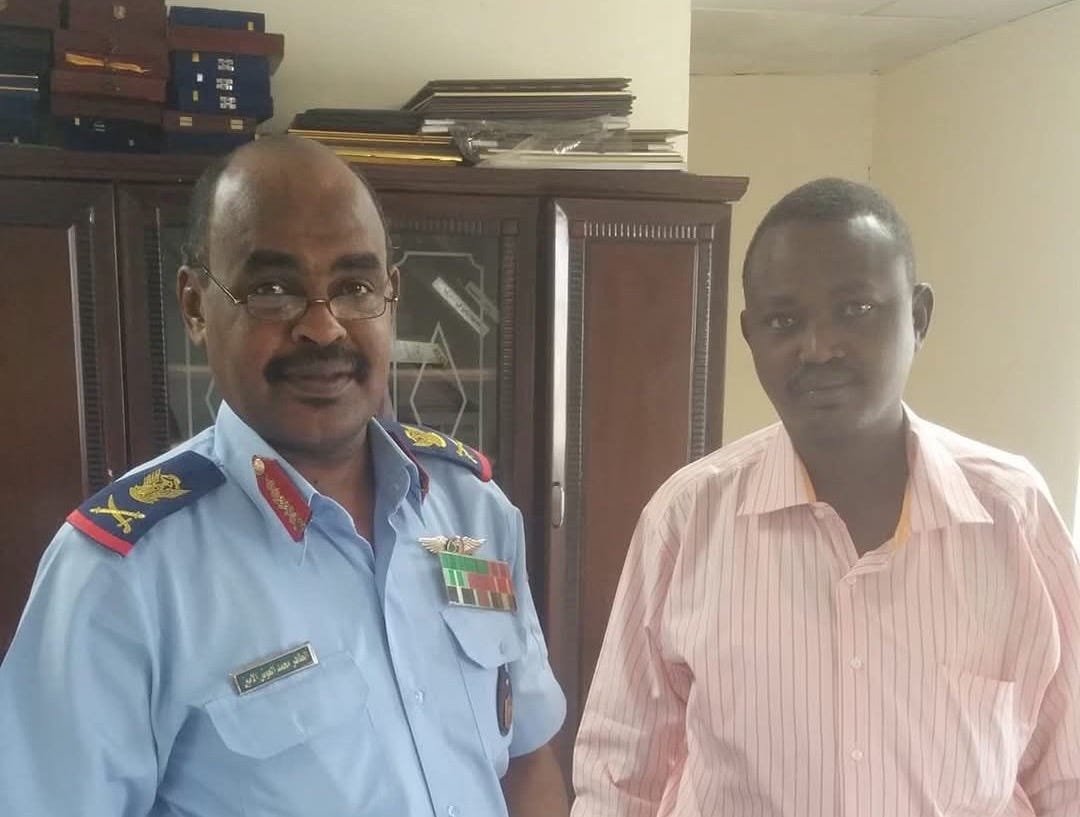
The European Union has sanctioned the commander of the Sudanese Air Force, Mohamed El Tahir El Awad, faulting him for “indiscriminate aerial bombing carried out in densely populated areas.”
In June 2024, the European Council passed a resolution saying that the Sudanese air commander “has been involved in planning, directing and committing aerial operations which have resulted in serious human rights violations and violations of international humanitarian law by causing high numbers of civilian casualties, leading to displacement of the civilian population and to the destruction of critical infrastructures, including medical facilities such as the East Nile Hospital in Khartoum in May 2023 and the Babiker Nahar Paediatric Hospital in El-Fasher in May 2024.”
Despite this announcement, SAF’s aerial campaign in Darfur and Kordofan has continued. International sanctions have limited impact against commanders who rarely leave Sudan and may have limited assets outside the country. Sudan’s military leaders have rejected all prospective peace negotiations and made efforts to acquire new drones.
Meanwhile, the rival party in the war, the RSF, has formed a ‘Government of Peace and Unity,’ which seeks to govern western Sudan and eventually topple the military government that rules eastern and central Sudan. It tries to portray itself as a secular alternative to the Sudanese Armed Forces, which it characterizes as an extremist Islamist organization.
The RSF-led government controls Ed Daien, where the hospital attack occurred. In a statement March 21, the Council of Ministers of the Government of Peace wrote that the Ed Daien hospital attack “is entirely consistent with the approach of the terrorist Islamic Movement army in this war and all the wars it has waged violently and barbarically against the Sudanese people.”
“The Council of Ministers of the Government of Peace… calls on the international community to recognize the danger posed by this terrorist army and its barbaric conduct in this war, and to take a firm stance to stop these violations and protect civilians.”
The so-called Government of Peace is headquartered in Nyala and is supported by the United Arab Emirates. It also has friendly relations with Chad, South Sudan, and Uganda, but is not officially recognized by any other nation. Colloquially, it is also called the “Tasis government,” Arabic for “establishment,” referring to a supposed new national founding.
The RSF has acquired advanced Chinese anti-aircraft weapons to protect against aerial attacks in Darfur and Kordofan. However, some of these weapons were destroyed, leading to vulnerabilities. The RSF also has drones of its own, with which it has attacked both military and civilian targets in Kordofan, White Nile, and Northern State.
Militarily, the war in Sudan is largely at a stalemate. After losing control of the capital Khartoum last year and retreating west into Darfur and Kordofan, the RSF has since partially recovered. It is now contesting for control of North and South Kordofan, and has launched an offensive in Blue Nile State, opening a new front far from its home territory.
In the meantime, Sudan’s civilian opposition, the anti-war coalition Somoud, has struggled to gain traction. Its anti-war message is censored by the warring parties, which refuse to tolerate political dissent. As Sudan nears the three-year anniversary of the war, the population has grown increasingly divided and embittered, amid mass militarization and economic distress.
Somoud’s media arm wrote in a statement 21 March 2026, “We condemn in the strongest terms the crime of targeting El Daein Hospital by the Armed Forces' Air Force, on the first days of the Blessed Eid al-Fitr, which resulted in dozens of victims and injuries among unarmed civilians, particularly women and children… We in ‘Somoud’ call for this criminal war to stop immediately and without delay, as every day it continues claims innocent lives, and increases the suffering of our people who endure its ravages inside the country and abroad, and we affirm that we will not rest until peace prevails and the sounds of rifles fall silent in all parts of Sudan as soon as possible.”
Individual and Organisational Subscriptions
Sudan War Monitor is used by NGOs, newsrooms, policy teams, and research institutions working on Sudan or related policy issues. We offer team subscriptions that cover your whole organisation under a single annual payment, managed through Substack and processed securely by Stripe. Seats can be added or reassigned at any time.
Video from El Daien Teaching Hospital
We are grateful to our colleagues at Ayin Network for preparing this report: